Cover Site Prep & Utilities: The Long Beach Owner’s Guide
Cover site prep and utilities work in Long Beach typically runs $8,500 – $22,000 installed, depending on whether your lot needs trenching, a sewer lateral, a new electrical subpanel, or all three. Seedling ADU Long Beach stocks the common components our Cover projects need and can usually start investigation within a few days of your call. Most Long Beach homeowners discover a problem when the city asks for a soils report or the utility stub-out doesn’t match what the Cover chassis expects when it arrives on the truck.
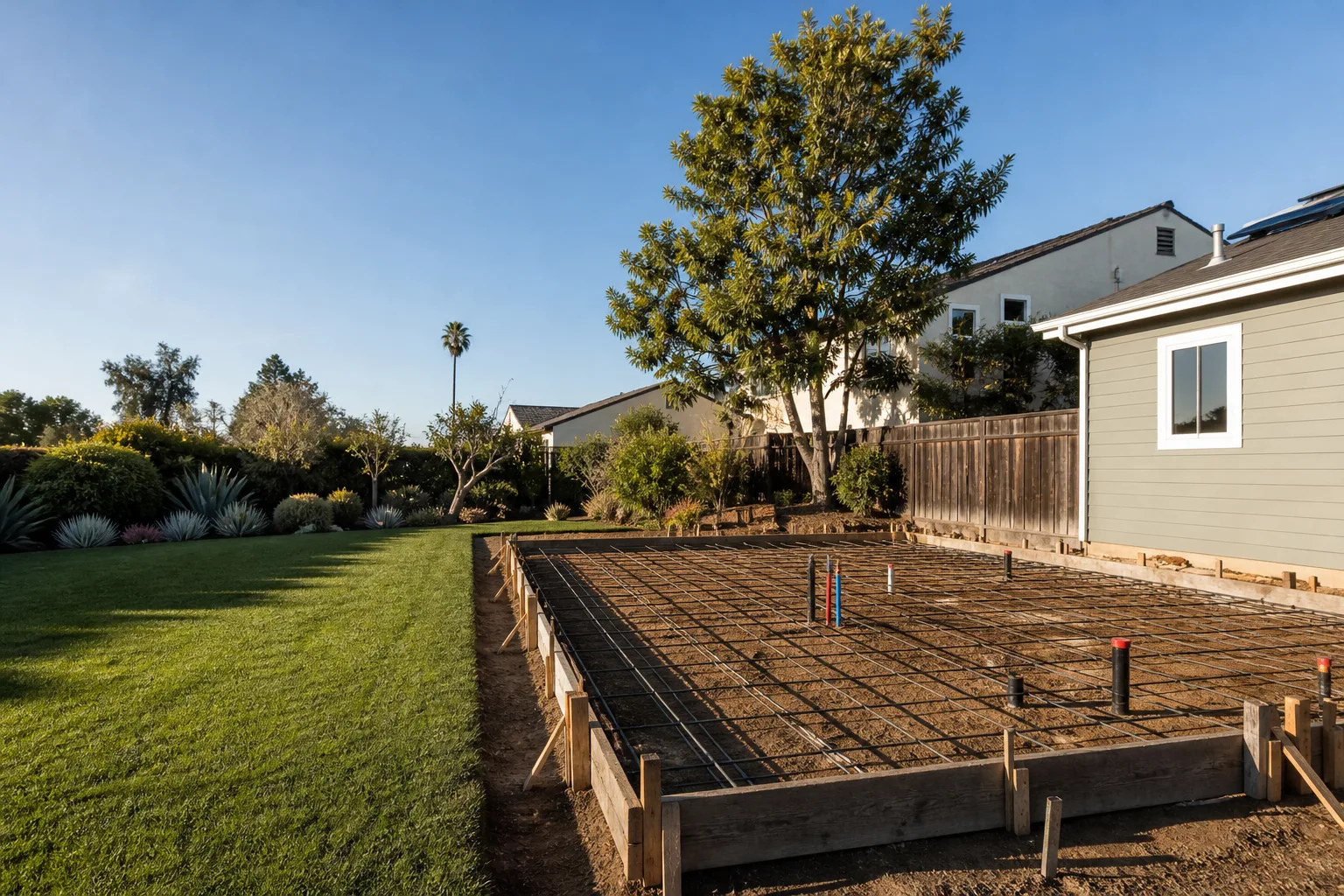
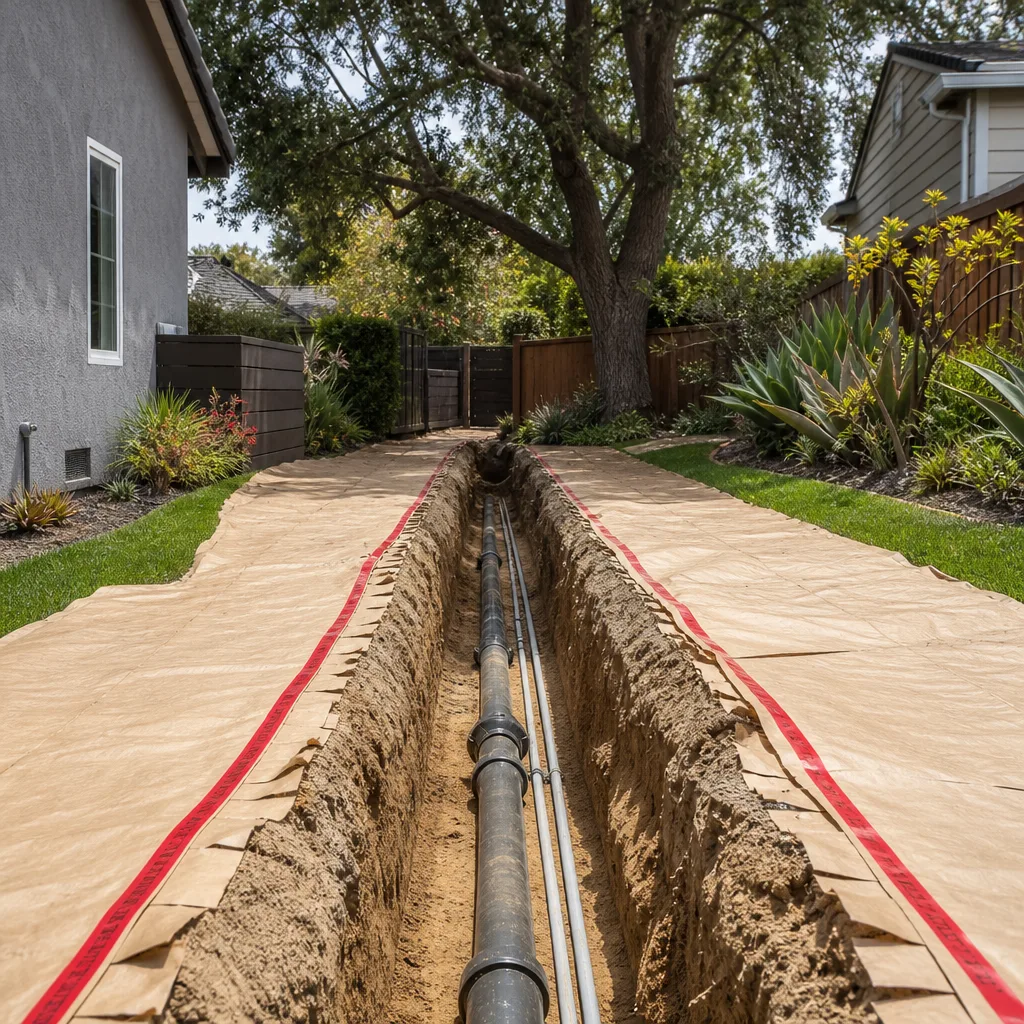
Site prep and utilities aren’t a single part, exactly. They’re the below-grade and at-the-wall work that lets a Cover unit function: water line, sewer connection, electrical feed, and the pad or foundation system the modules rest on. When one piece fails or was never done right, everything above it waits. We’ve seen owners in Belmont Shore, Naples, and Bixby Knolls deal with this differently depending on lot slope and how old the existing main service panel is. That’s the part most people don’t plan for until the city inspector’s notes come back.
Which Cover Models This Applies To
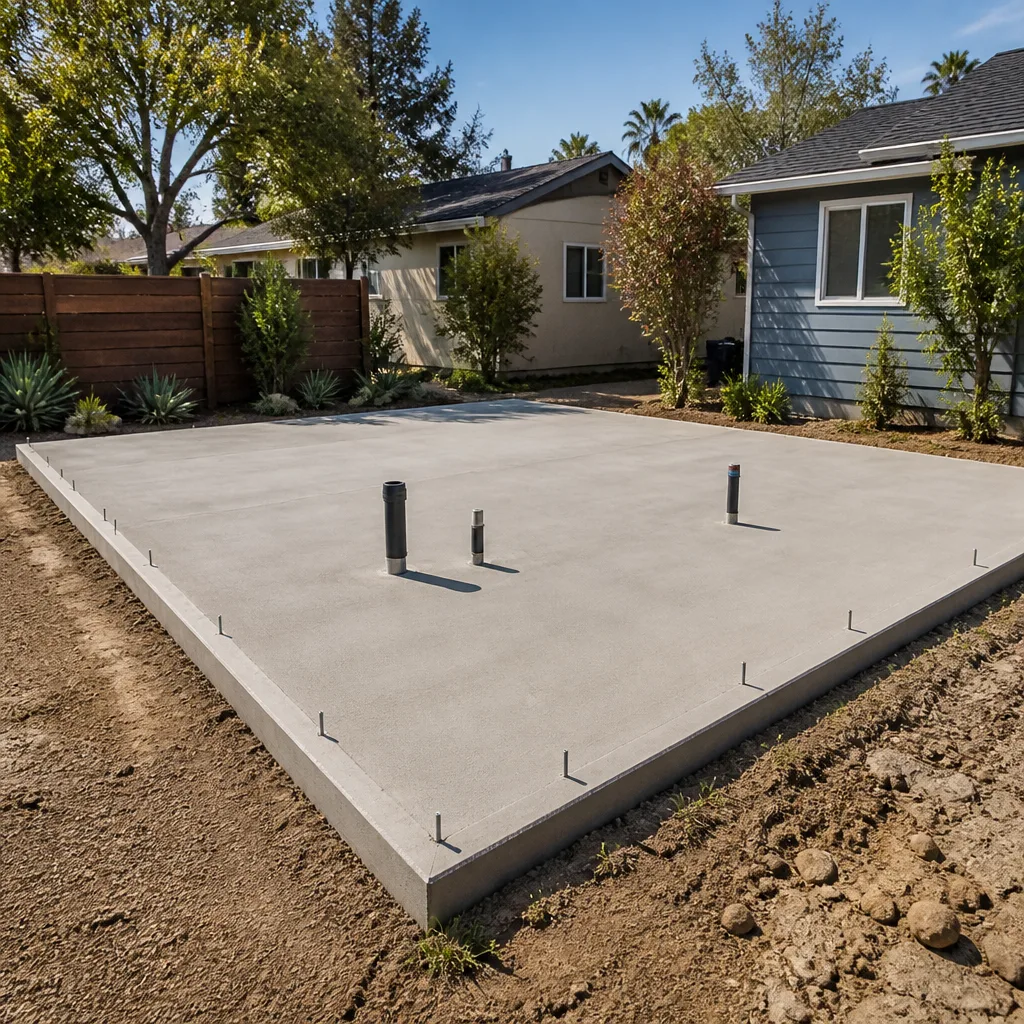
Every Cover unit draws power from your existing electrical service, which means the site prep conversation changes based on which Cover floor plan you have and how far the unit sits from your main panel. Cover’s current lineup includes studio and one-bedroom configurations designed for backyard placement, and the utility requirements scale with square footage and whether the unit has electric-only appliances or a gas range. The compatibility gotcha we see most often in Long Beach: older homes in California Heights and Wrigley with a 100-amp main panel can’t always absorb a full ADU load without a service upgrade, even when the Cover unit itself is modest.
We’re an independent provider, not affiliated with Cover, which means we match site prep to what your specific unit actually demands rather than selling a generic package. The OEM-vs-aftermarket decision for Cover site components comes down to the electrical disconnect and the sewer cleanout: we use specification-matched parts, but a UL-listed 125-amp subpanel from a quality manufacturer often outperforms whatever ships in a bundled kit for less money. Ask us to show you both prices side by side. Ben Ortega keeps a working sheet of what each Cover model pulls at peak load so nobody overbuys or underbuilds.
Signs Your Cover Site Prep & Utilities Is Failing
- Slow drains or sewer smell near the ADU pad. This usually points to an improperly sloped sewer lateral or a bellied section where the pipe settled after trench backfill. In Long Beach’s sandy-loam soils near the coast, settlement happens faster than most owners expect, especially after a wet winter.
- Breaker trips in the main panel when the ADU runs the mini-split and dryer together. The subpanel feed is undersized for the actual load, or the original electrician never did a proper load calculation. Cover units are efficient but not magic: a 60-amp feed won’t carry what a 100-amp unit needs during summer heat waves.
- Water pressure drops in the ADU whenever someone flushes the main house toilet. The branch line was spliced off an existing fixture line instead of getting its own dedicated run from the meter. This is one of the most common shortcuts we correct in Long Beach backyards.
- Puddling or soft spots in the yard above the utility trench months after install. The trench wasn’t compacted in lifts, so the soil continues to settle below the surface. This eventually stresses the pipe joints and can crack a PVC sewer line under load.
- The concrete pad or pier system shows hairline cracks near anchor points. In Long Beach, this often traces back to expansive clay soil that wasn’t properly over-excavated and re-compacted before the pad was poured. A cracked pad doesn’t always mean structural failure, but it’s worth an engineer’s eye before the Cover module gets reset.
Replacement Cost & What’s Included
For Long Beach lots, here’s what we currently see for Cover-specific site prep and utility work, installed:
- Trenching and utility runs (water + sewer + electrical conduit, up to 50 linear feet): $4,500 – $9,000 depending on depth, soil, and whether we’re crossing concrete or tree roots.
- Electrical subpanel and feed (100-amp, includes disconnect): $2,800 – $5,500 depending on distance from the main panel and whether a service upgrade is required.
- Foundation pad or pier system for a Cover unit (400 – 700 sq ft footprint): $6,000 – $14,000 depending on soil report requirements and access. A soils report itself runs $1,200 – $2,500 in Long Beach.
- Sewer lateral repair or replacement: $2,200 – $6,000. Tree roots and old clay pipe are the usual culprits, especially in neighborhoods east of Cherry Avenue where homes date to the 1940s and 1950s.
Every line item is written down before we start. You’ll see the parts cost, the labor, the permit fee, and the disposal. If a change is needed mid-job, we tell you the new number before we buy anything. And every Seedling job carries the 365-Day Done Right Promise: if something we installed isn’t right within the first year, we return and fix it. No invoice, no argument.
DIY or Call Us?
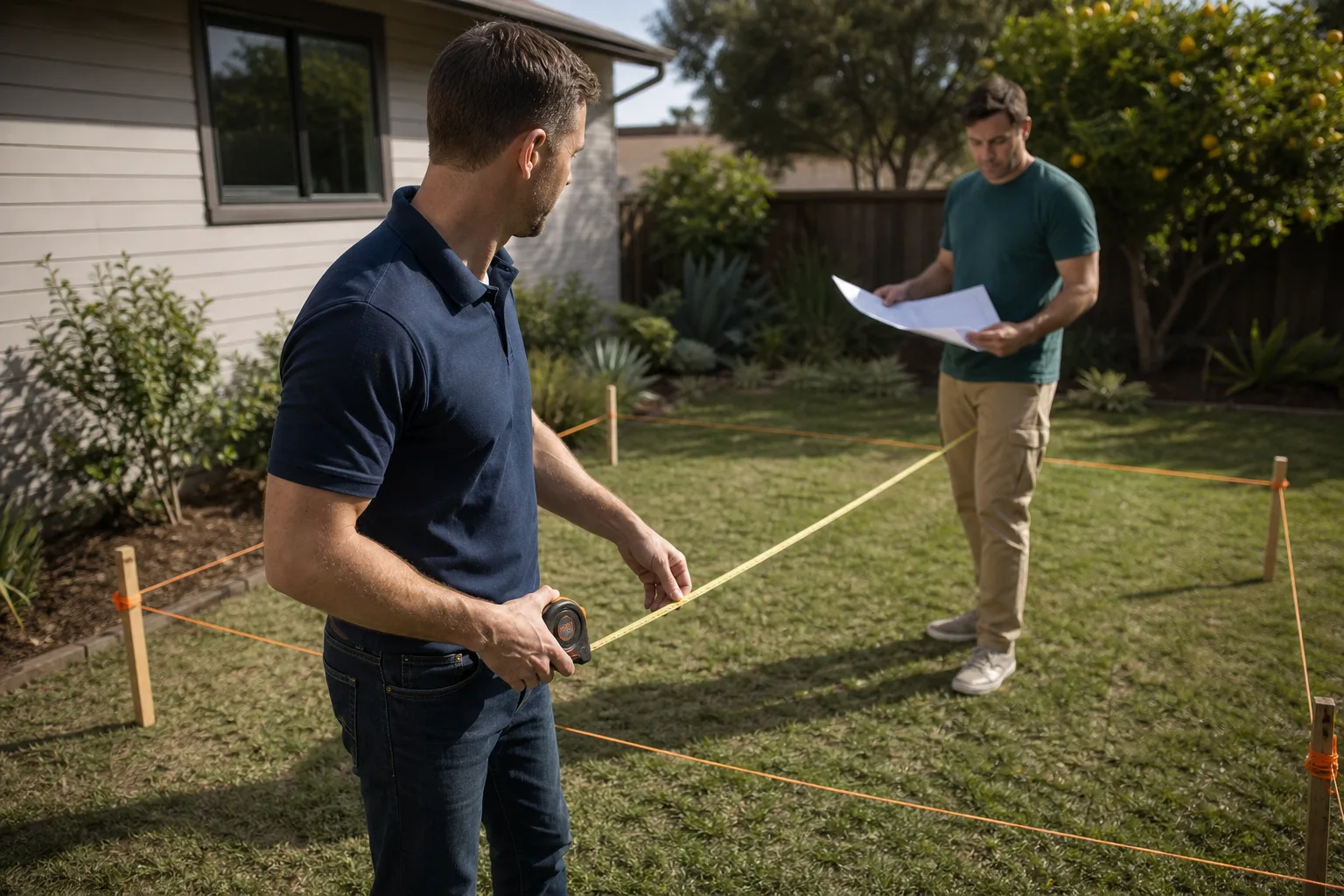
There’s a real safety line here, and we’re honest about which side of it you’re on. You can safely mark out your property lines, clear brush from the utility path, and gather your existing panel information and past permit records. That saves real money and time. You should not dig a trench, relocate a sewer line, or open a live electrical panel. Utility locates in Long Beach are free through DigAlert, but the digging itself involves gas lines, water mains, and energized feeders that can kill or flood you faster than you can react. We’ve repaired enough amateur trench jobs in Lakewood Village and Los Altos to know this isn’t a cautionary footnote.
If you’re unsure what your lot needs, call us at (562) 362-4592. Ben will walk the site, look at your panel and your yard, and tell you plainly what the city will ask for during plan check. Estimates are free and written down.
FAQs
A typical suite of site prep and utility installation takes 3 to 6 weeks from first dig to final inspection, with city plan check and permit issuance often adding 4 to 10 weeks before anyone ever breaks ground. The longest variable in Long Beach is the Permit Center backlog, not the physical work. We’ll start the paperwork the day you sign, and Ben will walk you through the timeline so you know what to expect from week one.
Yes, in many cases a repair makes more sense than a full replacement. A bellied sewer section can sometimes be spot-fixed, and an undersized subpanel feed can occasionally be solved by re-tapping without a full trench run. What we won’t do is patch something that will fail again in two years to save you money today. Call (562) 362-4592 and we’ll tell you which path your specific lot points toward.
We keep common conduit sizes, PVC sewer pipe and fittings, subpanel enclosures, and breaker sets stocked on our Long Beach trucks. What we don’t keep are the project-specific materials sized for your Cover model, like a 100-amp disconnect or a custom-gauge service feed, because those depend entirely on your existing panel and the city’s requirements. Those get ordered after your estimate, which adds a few days to the materials timeline.
The written price includes everything we can see from the surface and your existing plans. What we can’t see, we can’t price: an undocumented pipe buried under your patio, a foundation slab we didn’t know was there, a city requirement added during plan check. If something like that appears, we stop work, explain what it is and what it costs, and wait for your okay before we spend another dollar. No surprises added to your final bill without your signature on the change.
If you’re planning a Cover unit or fixing site work that wasn’t done right the first time, call Seedling ADU Long Beach at (562) 362-4592. Tell us what you need the space to do, and we’ll work backward from there. Every estimate is written, itemized, and free.
Written by Ben Ortega, Owner, Seedling ADU Long Beach at Seedling ADU Long Beach, serving Long Beach and nearby areas.