Dvele Junior ADU Conversion: The Long Beach Owner’s Guide
If your Dvele junior ADU conversion isn’t holding temperature, letting moisture in, or the electrical subpanel keeps tripping, we stock the replacement parts and install them same-week in Long Beach. Typical installed pricing for Dvele junior ADU conversion repairs runs $900 to $3,800 depending on what’s failed, with a written line-item quote before any work starts. Most Long Beach owners discover a conversion problem the same way: the space feels damp in the morning, the mini-split runs constantly, or the wall panel has started to separate where the module meets the main structure.
Which Dvele Models This Applies To
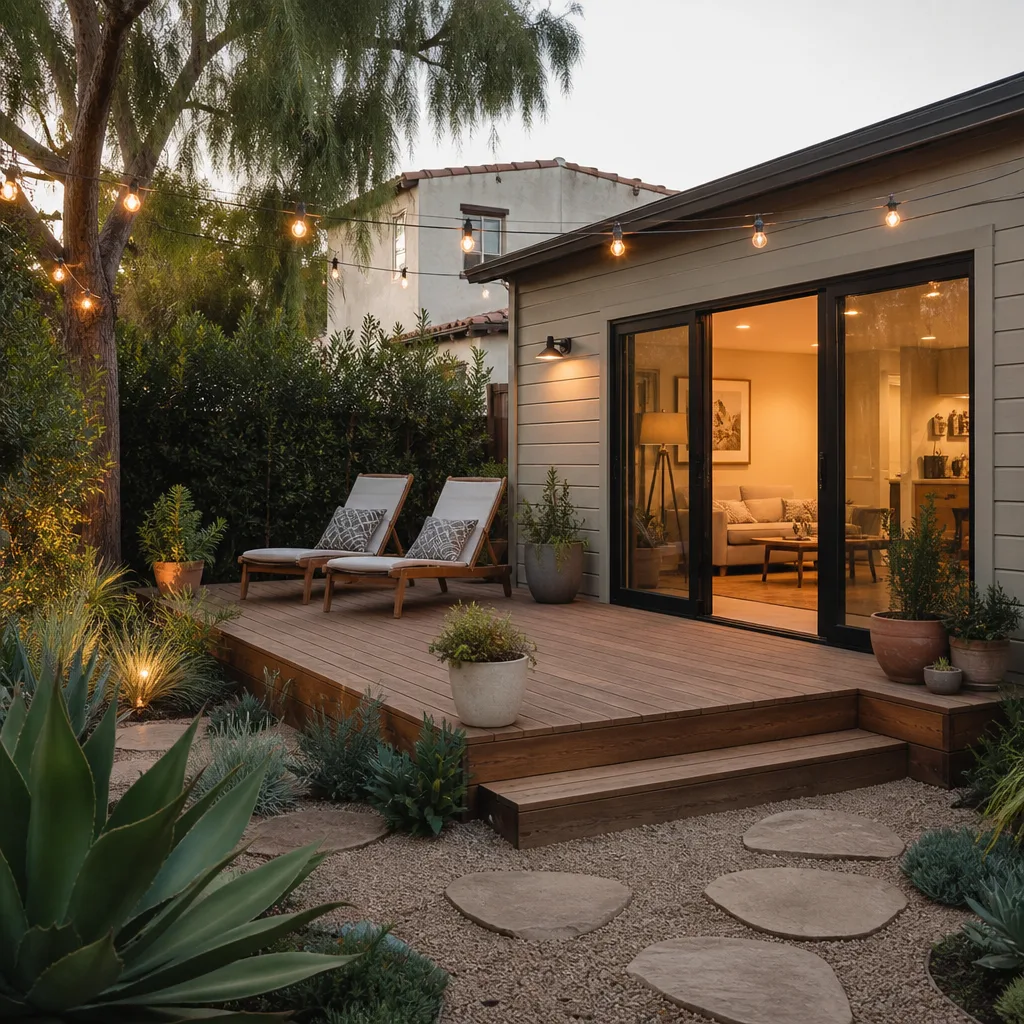
Dvele builds factory-finished ADU modules with integrated mechanical, electrical, and plumbing systems. The conversion component connects the factory module to your Long Beach lot: it’s the sill plate connection, the utility tie-in point, the weathering envelope where module meets foundation, and often a small electrical subpanel Dvele specifies for the transition from house service to ADU service. If your Dvele unit was manufactured in 2020 or later, it uses their current-generation interior panel system with a slightly different flashing channel than the 2018-2019 run. The simplest way to identify what you have is to open the small access panel near the module’s utility wall and check the build plate: the B-series models use a different junction-box layout than the A-series, and no, the parts are not interchangeable between them.
For Dvele specifically, we recommend OEM components where the manufacturer’s tolerance matters most: the weatherproofing membrane, the module-to-foundation anchor bolts, and the electrical subpanel. For less critical parts like trim, thresholds, and the small ventilation louvers, quality aftermarket equivalents are often a smarter spend, sometimes 30 to 40 percent less for the same lifespan. We also stock parts for Abodu and Cover conversions if you own a mixed-brand property or inherited a unit from a previous owner.
Signs Your Dvele Junior ADU Conversion Is Failing
- Musty odor in the corner where the ADU meets the house. This usually means the membrane gasket between the module base and the foundation plate has dried and cracked, a common issue in Long Beach’s marine air because the salt moisture accelerates rubber degradation.
- The ADU subpanel breaker trips whenever you run more than one appliance. The Dvele-specified subpanel is sized tightly to the module’s design load. When owners add window AC units or portable heaters on top of the factory load, the older conversion subpanels overheat and trip.
- A visible gap between the module’s exterior wall and the finished threshold trim. Dvele modules settle slightly in the first 24 months, and if the conversion trim was installed before full settlement, the seam separates and opens a path for Long Beach’s winter rain to wick upward.
- Condensation on the interior wall near the utility chase. The conversion chase where plumbing and wiring enter the module can lose its insulation barrier over time. We see this most often in units close to the water, like Naples and Belmont Shore, where ambient humidity is highest.
- Floor feels soft or spongy where the module base meets the sill. This points to water intrusion that has already moved past the membrane and into the rim joist area. It needs to be looked at promptly before the repair scope grows.
Replacement Cost & What’s Included
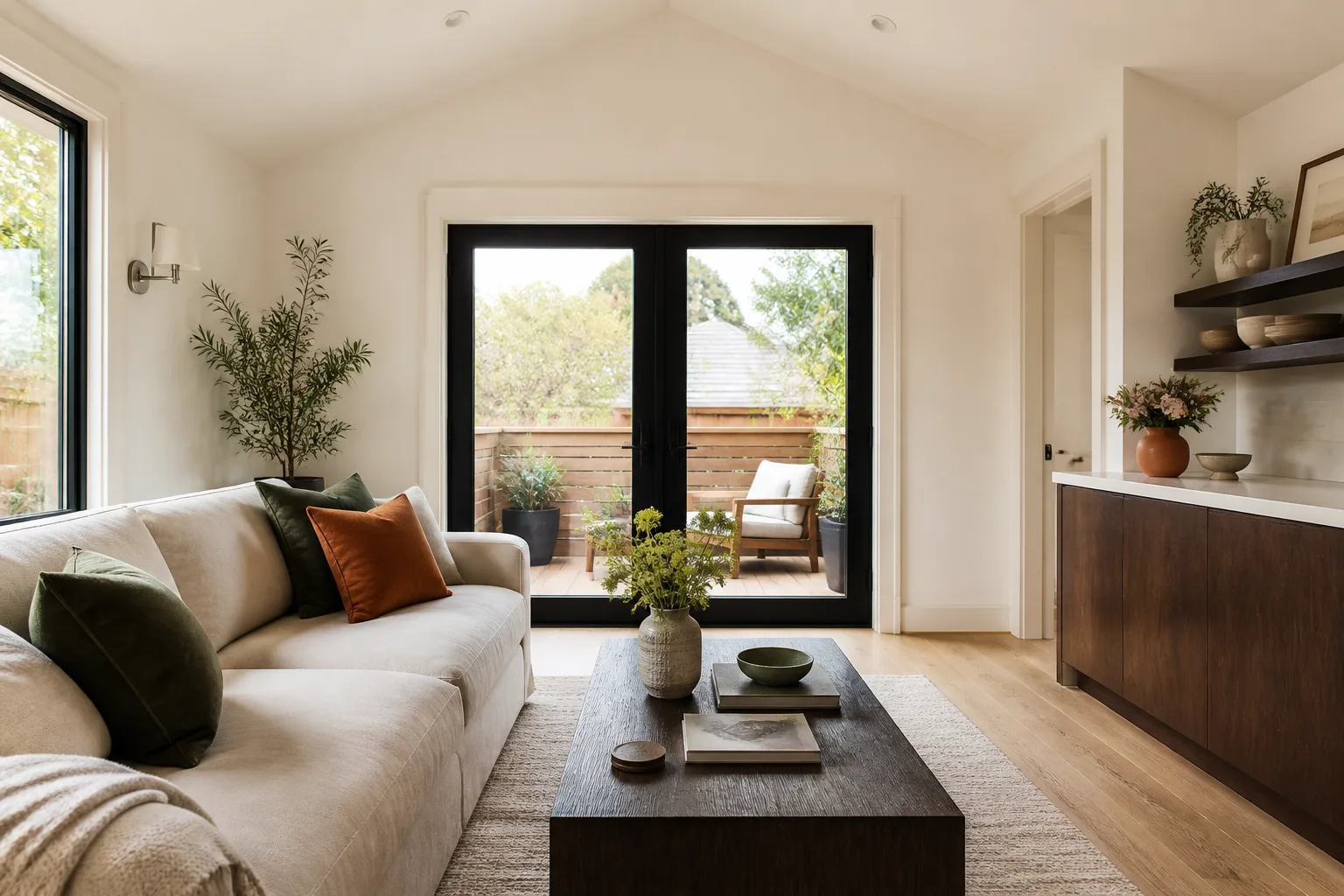
For Long Beach homeowners, Dvele junior ADU conversion repair work typically falls into three pricing bands:
- Membrane re-seal and trim repair: $900 to $1,600. Includes removal of the failed gasket, surface prep, new OEM-spec membrane, trim refit, and a weather test.
- Subpanel replacement or upgrade: $1,200 to $2,400. Includes new panel matched to your Dvele series, breakers, and the connection work between the module and the main service, all done to permit.
- Full sill and rim repair with moisture remediation: $2,800 to $3,800. This covers removal of damaged material, drying, replacement framing, new anchors, and complete re-installation of the conversion envelope.
Every one of these prices is given to you in writing before we start, with the line items separated so you can see exactly what you’re paying for. No change orders appear unless something unseeable shows up when we open the wall, and if that happens we stop, show you photos, and give you the revised number before touching anything else. Ben Ortega reviews every estimate that goes out, and he’s known for walking Long Beach owners through what the permit office will ask for before the work day one.
DIY or Call Us?
There are a few things you can safely check yourself. Look at the access panel and read the fan model number so you can tell us what series you have. Note when the breaker trips and what was running. Take a photo of any visible gap at the module base. Those three pieces of information make the phone call shorter and the written estimate more accurate.
What we’d ask you not to touch is the electrical subpanel or anything involving the anchor bolts and the tension connection between module and foundation. The electrical work inside a Dvele conversion carries the same hazard as any service panel, and the structural connection holds a module that weighs more than a car. One honest truth: we have never once met a Long Beach owner who was glad they tried to shortcut this part. If you’re not sure whether what you’re seeing is minor or serious, call (562) 362-4592 and describe it. We’ll always tell you the realistic scope, including if we think it can wait.
FAQs
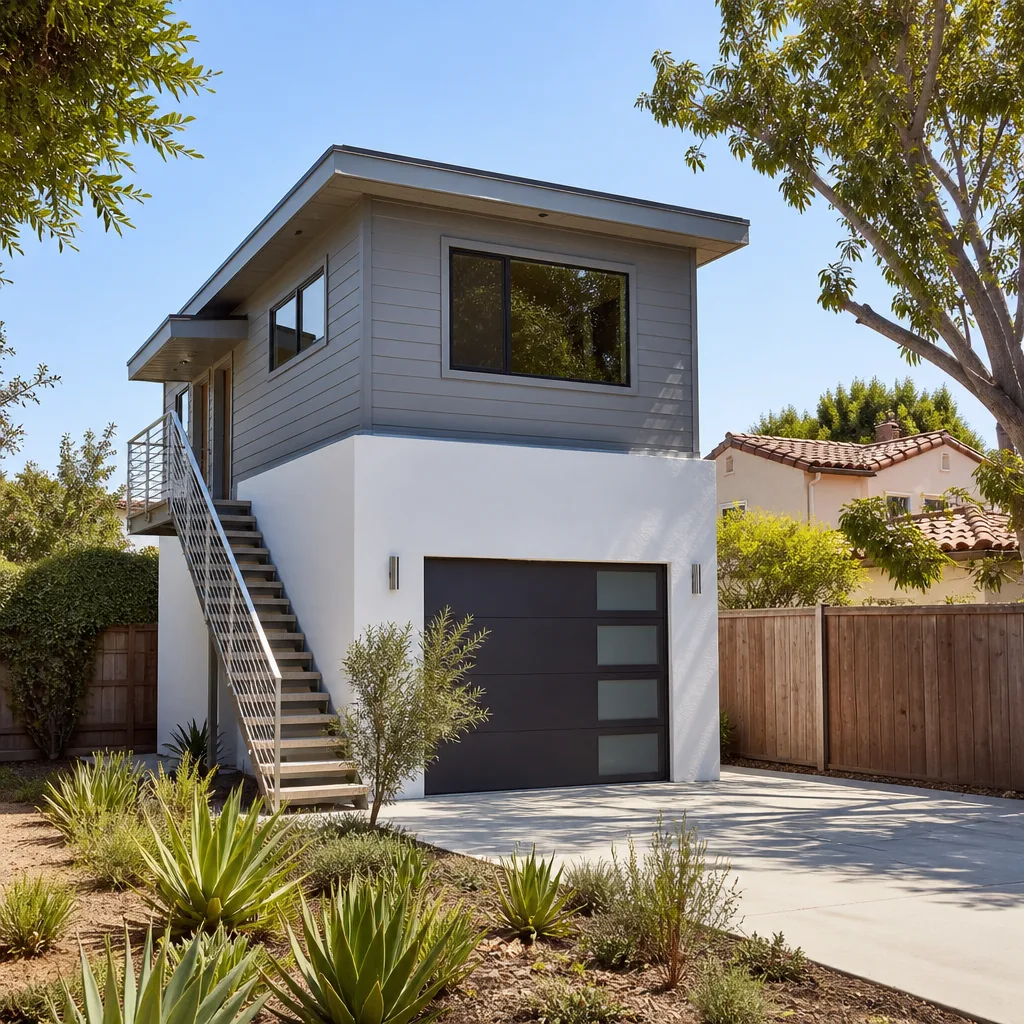
In Long Beach’s marine climate, the original membrane component of a Dvele junior ADU conversion typically lasts 8 to 12 years, with the more protected mechanical components often doubling that. Units closer to the coast, particularly in the Peninsula and Alamitos Beach, tend to hit the shorter end of that range because salt air attacks rubber and sealant more aggressively than the inland neighborhoods like Bixby Knolls or Los Altos.
It depends on the part. The membrane can sometimes be spot-repaired, but patching a sealing membrane is usually a temporary fix that costs you more over 18 months than a full re-seal. Subpanels and the smaller electrical components are not repaired, they are replaced, because a repaired breaker is a liability we will not pass to a family with kids sleeping in that ADU. Ben often says: “Tell me what you need the space to do, and we’ll work backward from there.” That applies to repair scoping, not just new builds.
A membrane re-seal and trim repair is typically a single day on site, plus a follow-up weather check the next morning. A full sill repair with remediation can take three to five working days, and the Long Beach permit office can add one to three weeks of review time before we can legally start. We pull the permit before we give you a start date, so the schedule you see is the schedule that happens, barring the kind of surprise framing damage that only opening a wall reveals.
We stock the common-failure parts for Dvele conversions on our truck: the OEM-spec membranes in both series sizes, subpanel kits, anchor hardware, and threshold trim. For rarer parts tied to a specific build year, we order directly, which usually adds three to five business days to your timeline. Long Beach owners with a B-series from 2021 or 2022 will usually have their parts available the day we diagnose the problem.
If you live in Long Beach and own a Dvele unit that isn’t performing the way it should, call (562) 362-4592 for a free estimate. We’ll get the parts matched to your specific module series, give you a written price, and leave your property the way we found it: clean, safe, and fully buttoned up.
Written by Ben Ortega, Owner, Seedling ADU Long Beach at Seedling ADU Long Beach, serving Long Beach and nearby areas.