Plant Prefab ADU Builders in Long Beach: What to Know First
We install, finish, and service Plant Prefab ADUs across Long Beach, and most projects move from delivered modules to move-in ready in three to five weeks. A full Plant Prefab ADU build in Long Beach typically runs $180,000 to $340,000 depending on the series, foundation work, and utility trenching. This page is for Long Beach homeowners who already own a Plant Prefab unit and need a builder to handle site work and finishing, and for families still deciding if Plant Prefab is the right fit for their lot. Call (562) 362-4592 and we’ll walk you through what your specific project will cost.
Key Takeaways
- We’re an independent Plant Prefab service provider – not affiliated with the manufacturer, which means we make parts and finish decisions based on what’s best for your Long Beach home, not a corporate playbook.
- Every Plant Prefab project gets a written price before we pick up a single tool, and every finished ADU is covered by our 365-Day Done Right Promise.
- Our crew shows up background-checked and uniformed, with shoe covers and drop cloths as standard practice on every visit.
- We also work with Abodu, Cover, and Dvele, so if Plant Prefab isn’t the right match for your lot, we’ll tell you honestly.
How Plant Prefab Products Fail – and How We Fix Them
Plant Prefab builds a solid product, but every prefab system has its known trouble spots. Here’s what we see most often on Long Beach properties, and what we do about it.
- Module seam flashing on the LivingHome series. Long Beach gets persistent marine air, and the horizontal seam where Plant Prefab’s LivingHome modules join can wick moisture if the flashing wasn’t seated perfectly during factory assembly. We regularly find the factory tape sealant has dried and lifted along the roofline seam within three to five years. Our fix is to remove the failed sealant, inspect the underlying sheathing for any water intrusion, and re-flash with a higher-grade marine-rated sealant rated for coastal exposure.
- Site-leveling sensitivity on the Plant Prefab ADU series. Plant Prefab modules arrive on a steel chassis that needs a nearly dead-flat foundation pad. In older Long Beach neighborhoods like Belmont Shore and Alamitos Beach, settled slabs and sandy soil mean the pad has to be re-leveled before the module can sit properly. When the pad isn’t corrected first, we see misaligned drywall joints and doors that swing on their own. We always check pad flatness with a laser level before the module is lowered, and we’ll do the concrete correction rather than shimming, which only hides the problem.
- Condensation at window and door rough openings. Plant Prefab’s standard aluminum-framed windows are efficient, but in Long Beach’s humid microclimate the frames sweat where they meet the factory-installed flashing. The symptom is usually a faint musty smell near the window or a slight discoloration on the surrounding drywall. We open the interior casing, check for any hidden moisture in the wall cavity, then replace the flashing with a thermal-break tape and add a vapor barrier detail that the factory doesn’t include.
- Factory plumbing stub-outs that don’t line up with Long Beach utility depths. The city’s sewer laterals often run shallower than Plant Prefab’s standard drop, especially in North Long Beach where a lot of homes were built in the 1940s and 1950s. When the rough-in doesn’t match, we handle the trenching adjustment and coordinate with the Long Beach Development Services inspection schedule. This is one of the most common reasons a Plant Prefab install gets delayed in our area, and it’s a known issue in the permitting office as much as on the site.
- Roof membrane punctures on the Mod Accessory Dwelling Unit line. During transport, the single-ply membrane on Plant Prefab’s Mod series can get nicked by tree branches on Long Beach’s narrower residential streets. The puncture is often invisible from the ground, then shows up as a water stain on the ceiling months later. We do a full roof inspection on every Mod unit as part of our standard commissioning, and we repair any membrane damage with the same TPO welding technique the factory uses, so the manufacturer’s roofing warranty stays intact.
Our Plant Prefab ADU Builders Process
Here’s how a typical Plant Prefab job goes with our crew, from the first phone call to the day we hand you the keys.
- 1
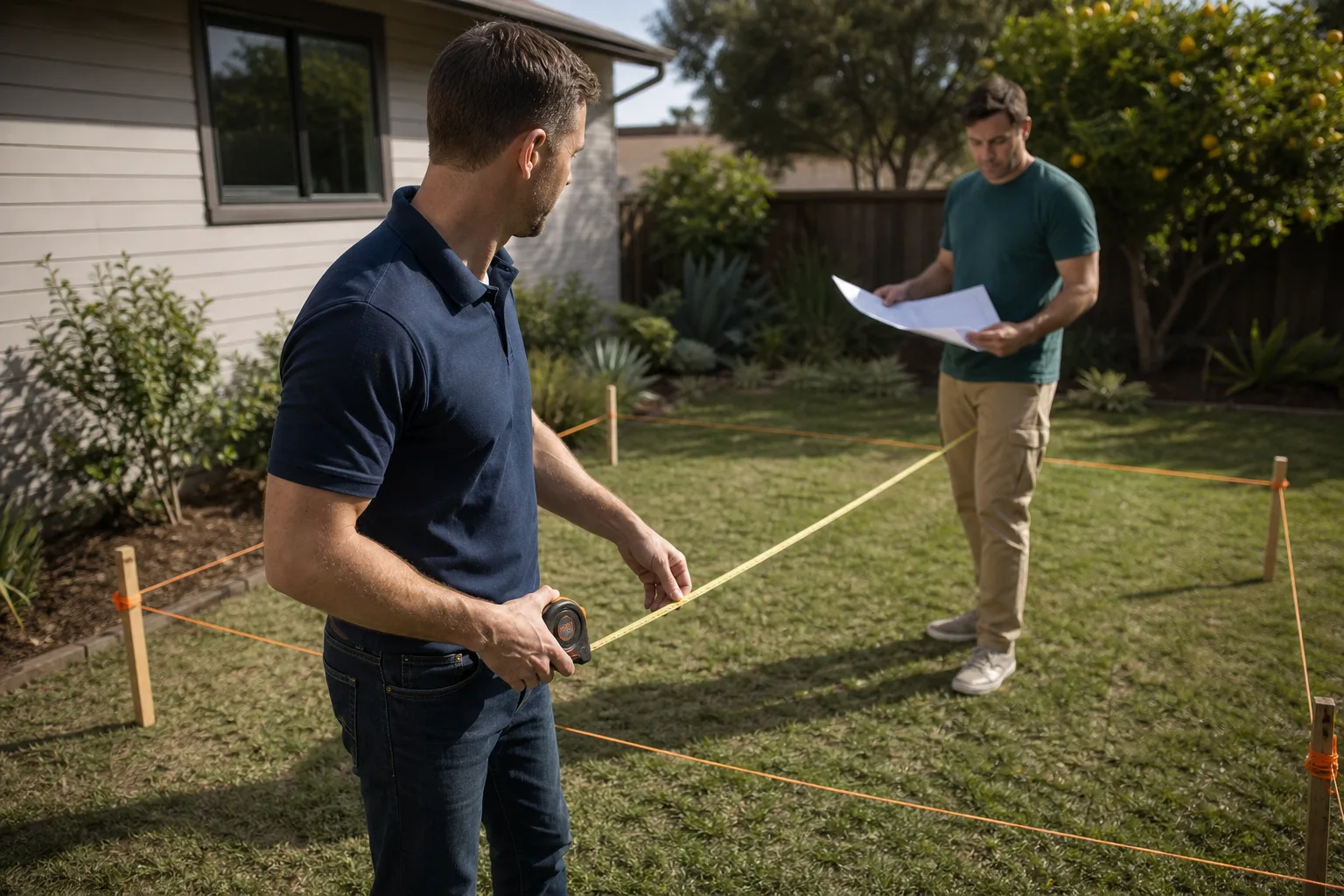
Site walk and written estimate. We visit your Long Beach property, measure the foundation pad or existing slab, check utility access, and look at the lot’s drainage. You get a line-item written price before any work starts. No exceptions.
- 2
Permit timeline review. Ben walks you through what Long Beach Development Services will require and roughly how long each review cycle takes. We don’t let the permit office surprise you.
- 3
Foundation and utility prep. We handle the pad leveling, trenching, and conduit runs before your modules arrive, which means the crane sets the units on a surface that’s actually ready.
- 4
Module set and commissioning. We receive the Plant Prefab modules, set them, inspect the seams and roof membrane, and then handle all interior finish work: drywall touch-ups, trim, paint, flooring transitions, and fixture installation.
- 5
City inspection and sign-off. We schedule and stand for the Long Beach inspections, and we fix anything that gets flagged.
- 6
Final walkthrough and the clean-up photo. You walk the space with us, we note anything that needs attention, and you get a photo of the cleaned job site before the crew pulls away. Every Plant Prefab project falls under the 365-Day Done Right Promise.
What Plant Prefab ADU Builders Costs in Long Beach
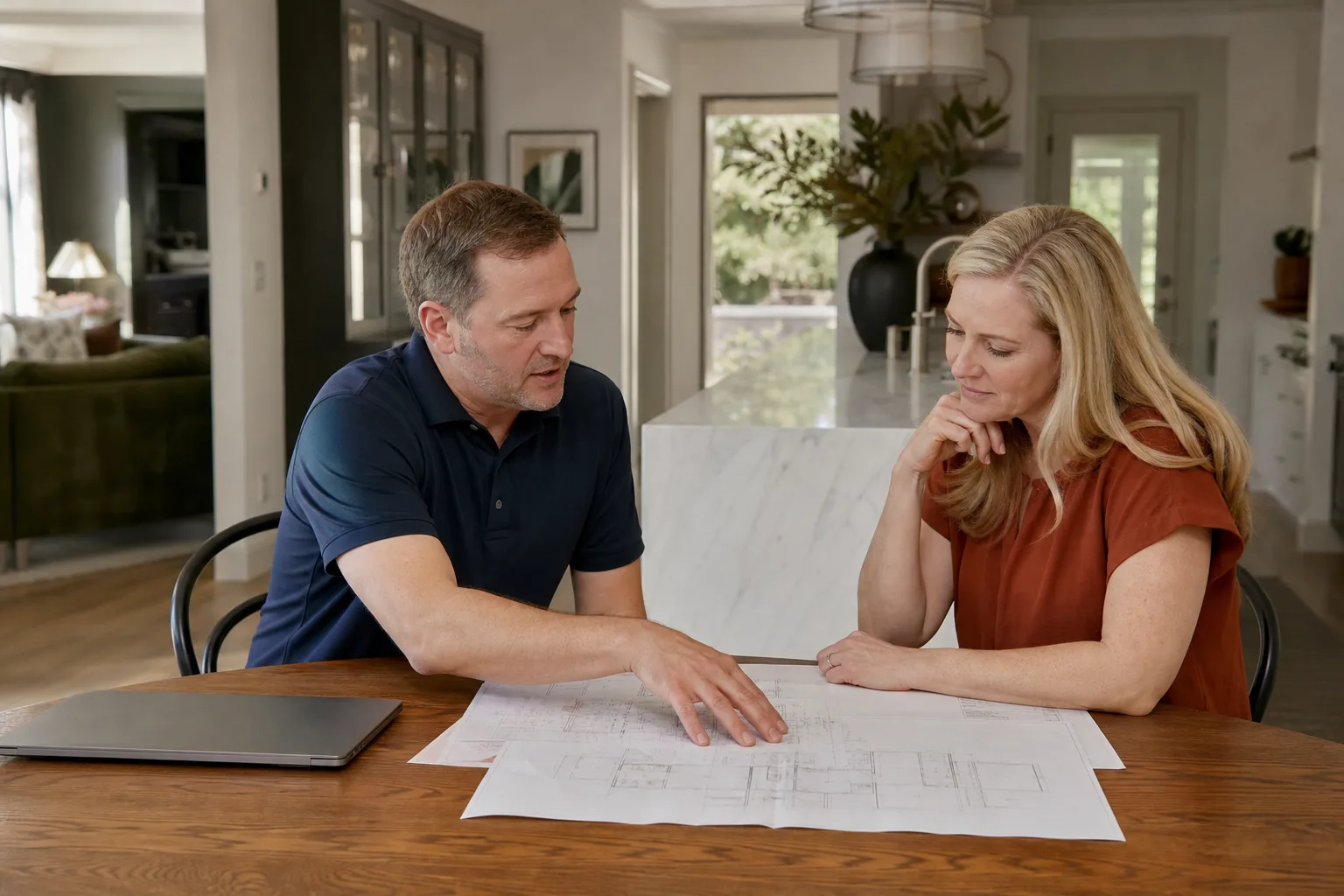
Here are realistic ranges for Plant Prefab work in Long Beach. These are full turnkey numbers including the module, site work, finishes, and permit fees.
| Project Type | Typical Long Beach Range |
|---|---|
| Studio ADU (400-500 sq ft, single module) | $180,000 – $225,000 |
| One-bedroom ADU (600-700 sq ft) | $220,000 – $280,000 |
| Two-bedroom ADU (800-1,000 sq ft, multi-module) | $280,000 – $340,000 |
| Foundation correction on settled slab | $8,000 – $18,000 |
| Utility trenching and sewer lateral adjustment | $6,000 – $14,000 |
What moves the price most in Long Beach: lot access for the crane, soil conditions under the pad, and how far the sewer lateral has to travel to tie in. We give you a written price before any work begins, and that price doesn’t change unless you change the scope. Call (562) 362-4592 for a free estimate on your specific lot.
Why Long Beach Homeowners Call Seedling ADU Long Beach for Plant Prefab Work
We treat every Plant Prefab project like what it is: a new home on your lot. That means the process matters as much as the finished walls. Our crew is background-checked and uniformed, so the people walking through your side gate are people we’d let into our own homes. We put down shoe covers and drop cloths on every visit, and we send you a photo of the clean-up before the crew leaves each day. When something isn’t right, the 365-Day Done Right Promise covers it, in writing.
We also work with Abodu, Cover, and Dvele, so if your lot or your budget points toward a different prefab system, we’ll tell you. Ben grew up in East Los Angeles, trained at Los Angeles Trade-Technical College, and has spent years on ADU sites across Long Beach, including several near Belmont Shore where narrow lots and older foundations make the planning more complicated than the brochures let on. His approach on every project is the same: “Tell me what you need the space to do, and we’ll work backward from there.”
FAQs
No, we’re an independent Plant Prefab service provider. That means we aren’t bound by the manufacturer’s vendor network, but we follow Plant Prefab’s installation specifications closely so the factory warranty stays intact. We also make parts and finish decisions based on what performs best in Long Beach’s coastal climate, not what a corporate procurement list says to use. Call (562) 362-4592 to talk through your project.
Yes. We regularly repair and finish Plant Prefab ADUs that were delivered or set by other crews. Common call-outs include seam leaks, misaligned doors, condensation at window openings, and foundation settlement. We’ll do a full inspection, give you a written repair price, and only touch what needs touching.
In most cases, yes. We follow the manufacturer’s installation and repair specs, use compatible materials, and document everything. For roof membrane work on the Mod series, we use the same TPO welding approach the factory specifies. If a warranty claim ever comes up, we’ll help you gather the paperwork. Call (562) 362-4592 if you want us to look at what you’ve got.
Once the modules are on your lot, most installations take three to five weeks of on-site work. The bigger variable in Long Beach is the permit timeline, which can run six to twelve weeks depending on the scope and how quickly Long Beach Development Services is moving. We’ll give you a realistic schedule before we start, and we won’t promise a finish date we can’t defend.
We handle it all in-house: pad leveling, trenching, sewer lateral adjustments, and the crane coordination. You don’t need to hire a separate site-work contractor. And because we handle the whole job, the written price covers the full scope, so there’s no finger-pointing between trades if something doesn’t line up.
If you own a Plant Prefab unit or you’re still deciding between prefab brands, call (562) 362-4592 for a free estimate. We’ll walk the lot, answer your questions honestly, and give you a written price before any work starts.
Written by Ben Ortega, Owner, Seedling ADU Long Beach at Seedling ADU Long Beach, serving Long Beach and nearby areas.