James Hardie Home Addition Contractor in Long Beach: What to Know First
We’re an independent James Hardie home addition contractor in Long Beach, and the short answer is this: adding onto a home clad in James Hardie siding or trim typically costs between $180,000 and $450,000 in Long Beach depending on square footage, foundation work, and whether you’re building out or up. Most additions take 5 to 9 months from permit submission to final inspection, with the permit office in Long Beach adding three to six weeks on the front end that no contractor can skip. We give every family a written price before any work starts, and every addition we build is covered by our 365-Day Done Right Promise.
If you own a Long Beach home with James Hardie siding and you’re planning a room addition, second story, sunroom, or bump-out, call (562) 362-4592 for a free estimate. Ben Ortega and our crew have spent years matching, cutting, and integrating James Hardie products on additions across Long Beach, including several projects near Belmont Shore where older foundations ask for extra planning.
How James Hardie Products Fail – and How We Fix Them
James Hardie makes good siding and trim, but additions put stress on existing cladding in ways the original install never anticipated. Here’s what we see on Long Beach homes:
- HardiePlank lap siding delamination at the cut edge. When an addition ties into an existing wall, the old siding gets cut. If the original installer didn’t seal cut ends with the factory-recommended edge coat, moisture creeps in and the plank starts to swell and separate at the factory seams. We see this most on homes built between 2005 and 2015 in neighborhoods like Bixby Knolls, where the marine air keeps things damp. We don’t patch over it; we cut back to solid material and install a proper butt joint with flashing, then match the existing reveal so the patch disappears.
- HardieTrim batten boards pulling away from the wall at new connection points. The thin-set mortar or construction adhesive used on the original trim rarely holds when we open a wall and add structural framing. The vibration from demo and the new load path loosens old trim. We refasten all trim within 18 inches of any new opening with the correct gauge fasteners, then caulk and paint to match.
- HardiePanel vertical siding showing cracks where the addition’s second story meets the first. Long Beach has clay-heavy soil in some areas, and when a second story is added, the existing walls move slightly under the new load. HardiePanel is rigid and doesn’t flex; it cracks, usually in a stair-step pattern at the outside corner of the new floor line. Before we close up any wall, we install a control joint and verify the existing shear wall still has the required nailing pattern.
- ColorPlus finish fading unevenly after a bump-out. James Hardie’s factory-applied ColorPlus finish is warrantied for 15 years, but when you add a bump-out and use a repainted patch, the old and new sections weather differently. Within two summers, the Long Beach sun makes the patch obvious. We always check whether the existing cladding is a ColorPlus product and order matched ColorPlus boards from James Hardie’s current trim-to-order line rather than painting over the whole wall if the existing finish still has life left.
- HardieSoffit panels sagging on new covered porch or sunroom additions. Long Beach gets a steady dose of salt fog, and the original soffit clips on an older HardieSoffit install can corrode. When we add a sunroom and open the soffit, we often find the clips have failed. We replace with stainless steel clips and verify the venting is still matched to the attic space, because closing off a wall changes air movement and can cause condensation the homeowner never sees until it stains the ceiling.
Our James Hardie Home Addition Contractor Process
We walk through a home addition on a Hardie-clad house like this:
- 1
The first call. You talk to a live person, not a voicemail tree. We ask what the addition is for – a bedroom, a dining room, a sunroom – and we schedule a site visit. Ben will ask you his favorite question: “Tell me what you need the space to do, and we’ll work backward from there.”
- 2
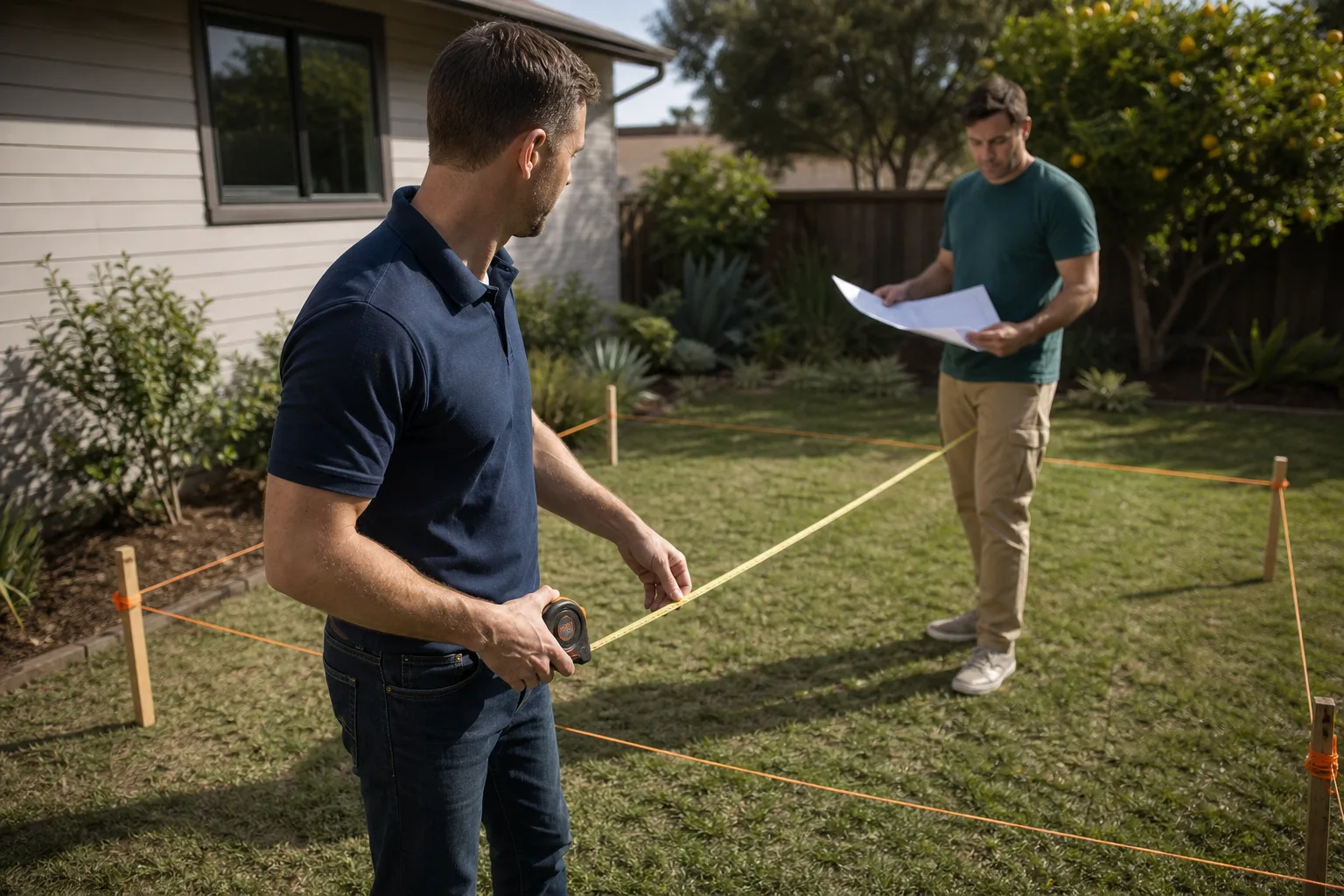
The walkthrough. We inspect the existing Hardie cladding, check the foundation, and note where the new roofline will tie in. We look at what’s behind the siding at the connection point, because that’s where old water damage hides. Shoe covers go on before we step inside, and drop cloths go down anywhere we bring tools.
- 3
The written estimate. You get a line-item price before any work starts. Every trade is named: framing, electrical, plumbing, drywall, roofing, siding repair or replacement, paint. We price matching Hardie work at the material cost plus labor as one line so you see exactly what the cladding integration costs.
- 4
Permits and planning. We file the plans with Long Beach Development Services and walk you through the typical review timeline. If corrections come back, we handle them and tell you what changed. No surprises.
- 5
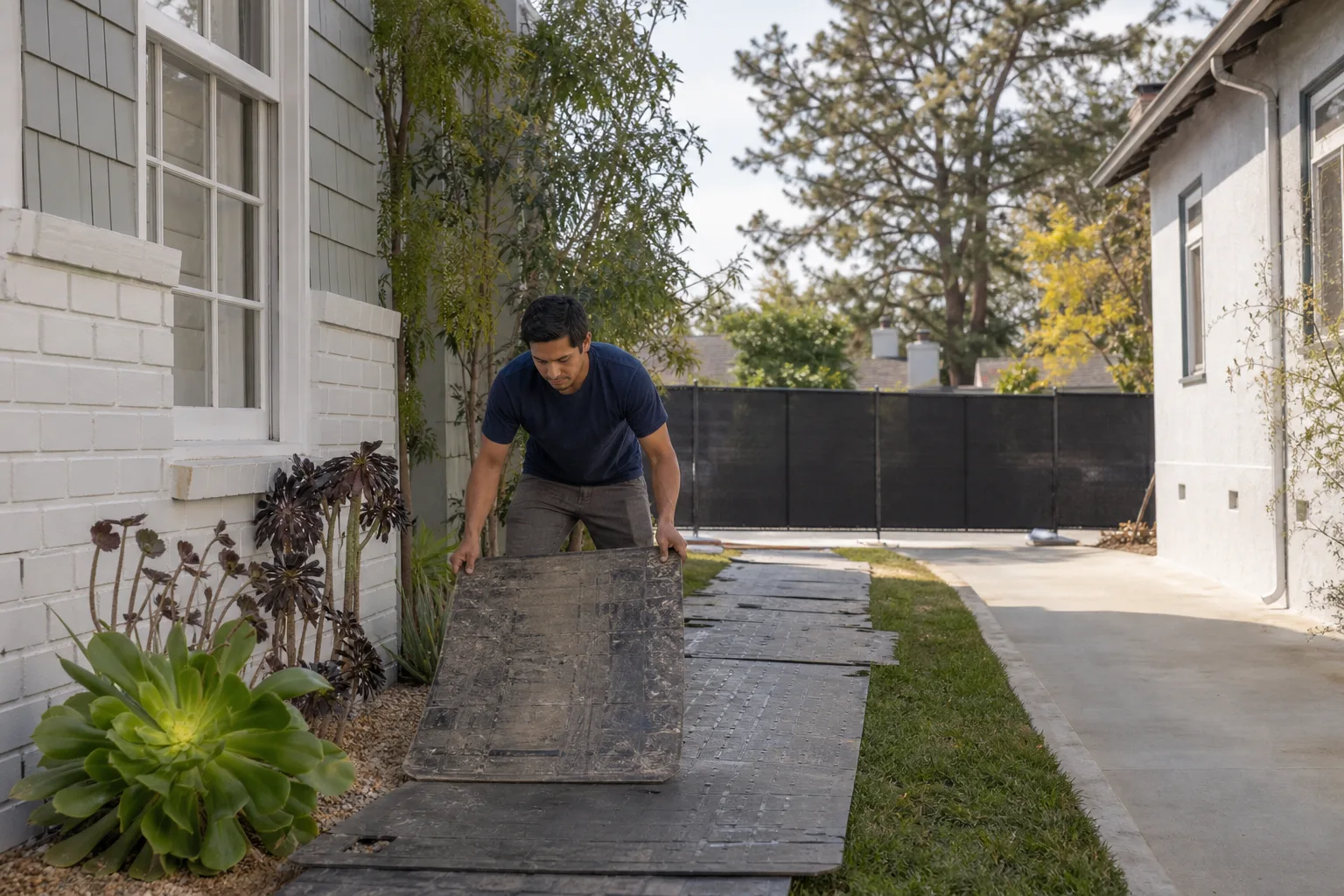
The build. We protect floors with drop cloths, keep pathways clean, and use dust barriers where demo is happening. Pets stay safe; we use pet-safe products wherever there’s a choice. Every day, the site lead sends you a photo of the clean-up before the crew leaves.
- 6
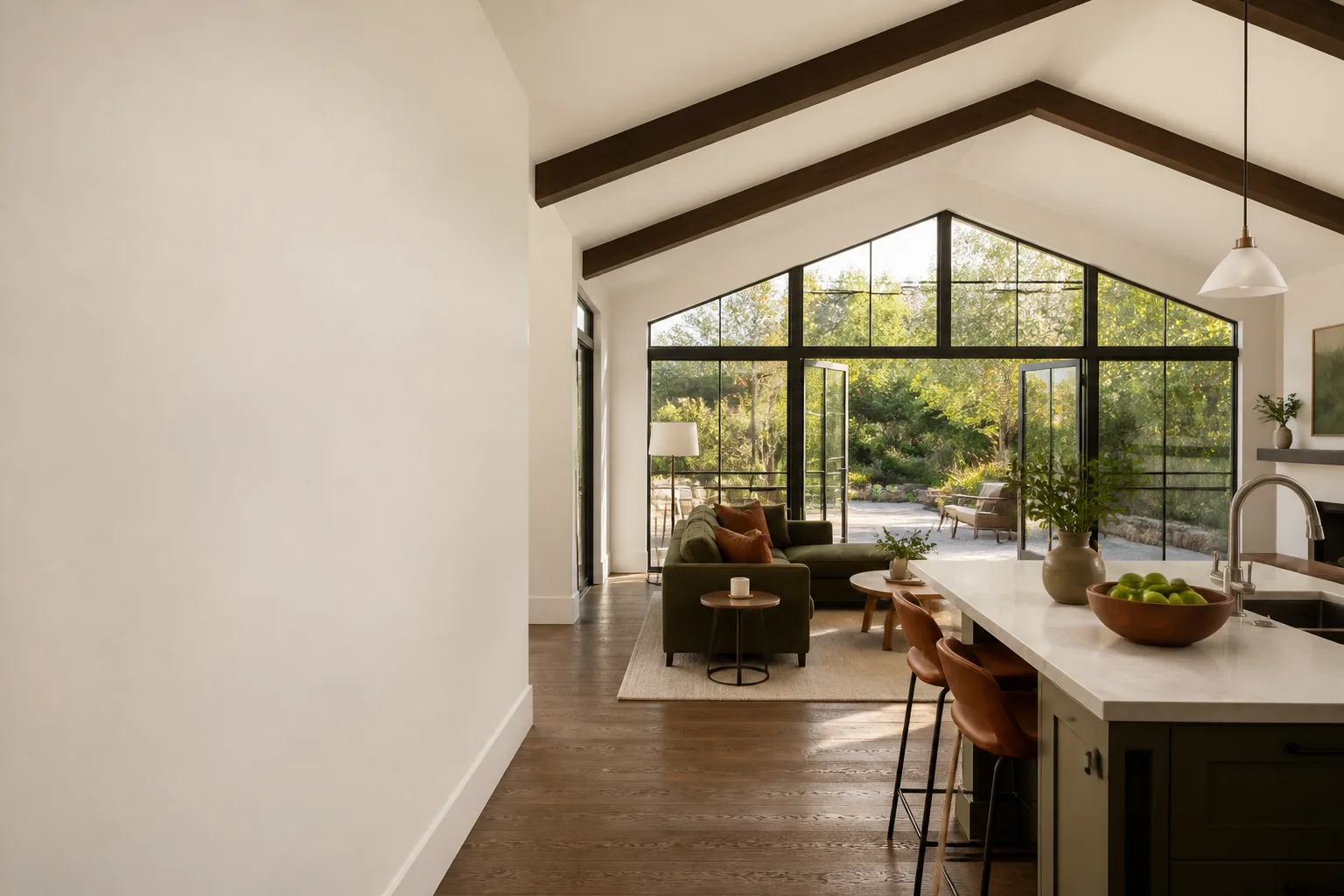
Closeout and the 365-Day Done Right Promise. We do a final walkthrough together, hand you the written warranty, and if anything we touched isn’t right in the next year, we come back and make it right.
What James Hardie Home Addition Contractor Costs in Long Beach
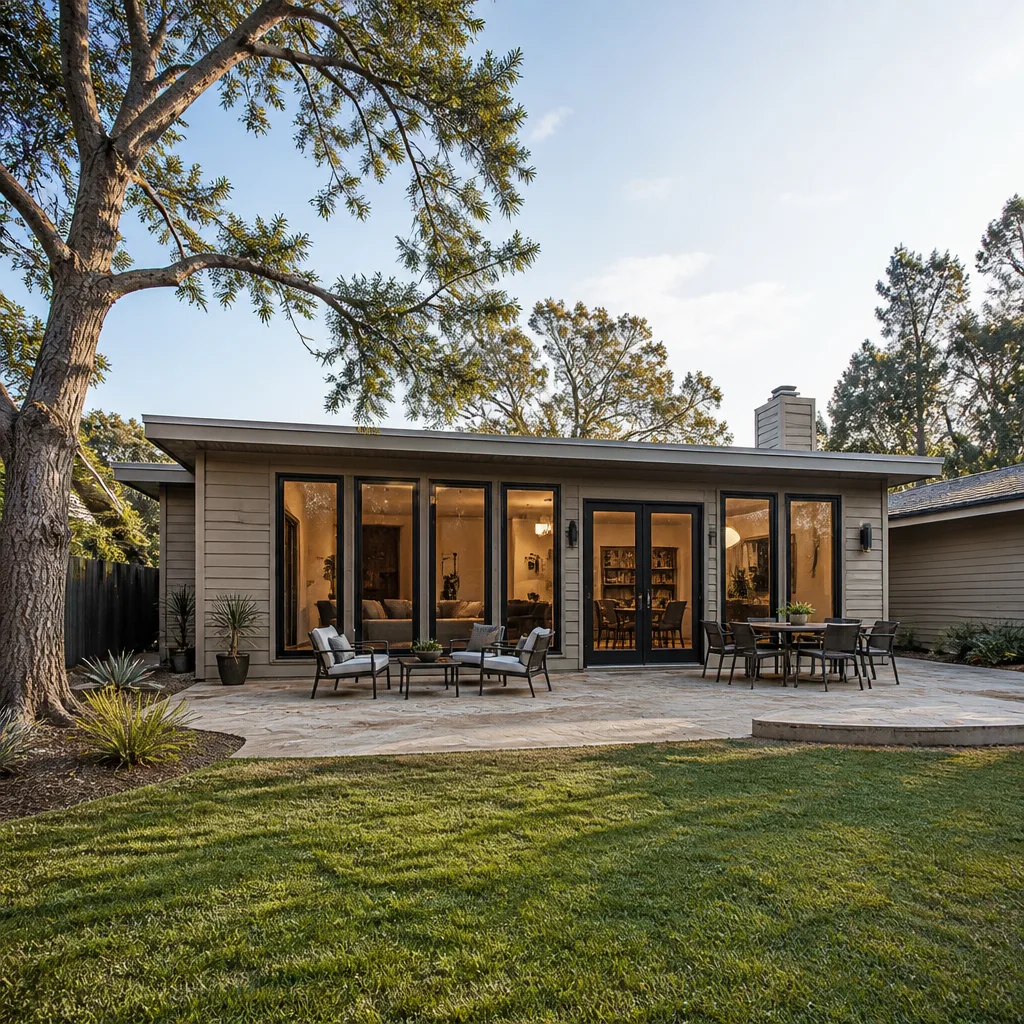
Prices below are for additions where the existing Hardie cladding is in good shape and can be integrated without full re-side. If your siding has underlying rot or failed flashing, the number moves up.
- Bump-out addition (60-100 sq ft): $55,000 – $95,000. This includes foundation work, framing, roofing, drywall, electrical, and matching Hardie siding and trim on the new wall.
- Single room addition (120-240 sq ft): $130,000 – $240,000. A bedroom or home office addition with a tie-in to existing Hardie lap siding, new window trimming in HardieTrim boards, and roofing matched to the existing profile.
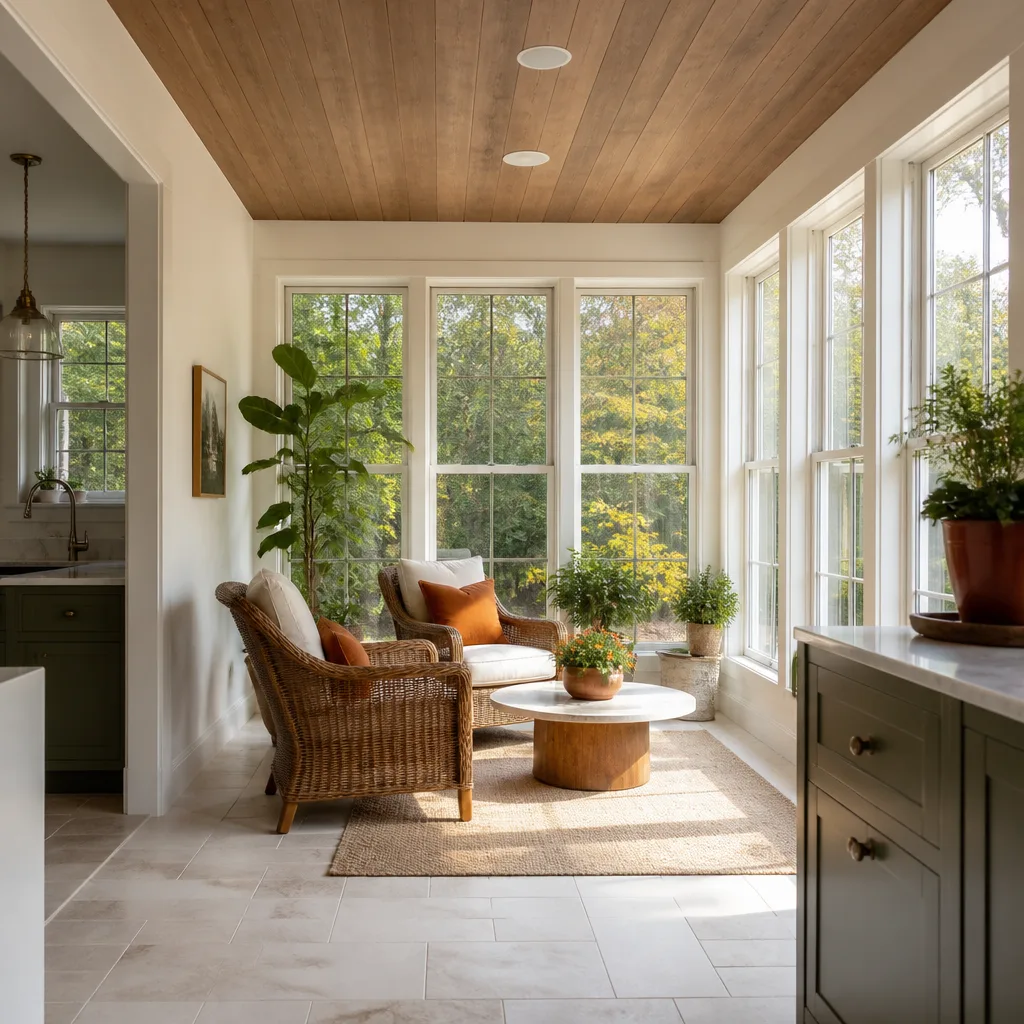
- Sunroom addition (150-250 sq ft): $90,000 – $190,000. This one depends heavily on glazing and whether you need a conditioned space. HardieSoffit and HardiePanel are typical on the exterior.
- Second story addition (400-700 sq ft): $260,000 – $450,000. The existing first-floor walls get reinforced shear, the new second story gets HardiePlank lap siding matched to the lower level, and the transition gets a control joint and flashing. This is the most expensive option in Long Beach because clay soil usually means foundation reinforcement under the existing footprint.
What moves the price: whether we can match your existing Hardie profile from current production (some older profiles are discontinued), whether the original install is ColorPlus or field-painted, how much of the existing siding we have to remove to tie in correctly, and whether the roof line integration needs structural changes. Call (562) 362-4592 and we’ll give you an exact written quote. Estimates are free.
Why Long Beach Homeowners Call Seedling ADU Long Beach for James Hardie Work
The person who answers the phone at Seedling ADU Long Beach is a person. During an active build, someone picks up at midnight if you have a question about the tarp or the permit. We already work with the brands serious Long Beach buyers research before calling anyone – Abodu, Cover, and Dvele for prefab ADUs, plus James Hardie materials for home additions – so you’re not locked into one manufacturer’s limitations because a builder preferred it.
Every job gets the Cedarwell Care Promise: shoe covers, drop cloths, pet-safe products where there is a choice, a photo of the clean-up before the crew leaves, and a live person on the phone 24/7. And every addition is covered by our 365-Day Done Right Promise in writing. Ben Ortega grew up in East Los Angeles and learned the fundamentals at Los Angeles Trade-Technical College before focusing on ADUs and additions about a decade ago. He’ll walk you through the permit timeline before anyone picks up a tool, so there’s nothing waiting to surprise you.
FAQs
No. James Hardie’s siding and trim warranties stay in effect on the original product even when an addition is built against it, as long as the original siding was installed per manufacturer specs. What changes is the sealant and flashing warranty on the areas we alter – and we match or exceed James Hardie’s installation guidelines at every new joint so your existing warranty stays intact. If you want a written record, we photograph the tie-in points before, during, and after. Call (562) 362-4592 for an exact quote.
Usually we can. If your Long Beach home has ColorPlus factory-finished siding and the color is still in current production, we order matched boards directly from James Hardie’s trim-to-order program so the sheen and tone match. If your siding was field-painted, we pull a sample and have our paint supplier match it. Some older ColorPlus colors have been discontinued; in those cases we’ll show you how close the nearest stock color is and talk through repainting the affected elevation. The best way to know is to have us look at your existing siding in person.
Most room additions on a Hardie-clad Long Beach home take 5 to 9 months from permit submission to final inspection. Permits with Long Beach Development Services typically take three to six weeks for plan review, and structural additions on clay-heavy soil sometimes need an extra two to four weeks for foundation engineering and inspection. We give you the full schedule in writing before we start.
The written estimate is the price, unless we find something we couldn’t see before opening the wall – hidden termite damage, failed flashing, or a foundation crack, for example. If that happens, we stop work, show you photos, and give you a written change before anyone continues. We don’t add surprise line items after crews arrive, and we don’t change the number because we underestimated. Call (562) 362-4592 to schedule a free walkthrough.
Yes. We file the plans, pull the permits, schedule inspections, and handle corrections if the plan review comes back with notes. You never have to stand at the permit counter. Long Beach has specific requirements for setbacks, lot coverage, and ADU-adjacent additions that we work with every month, so the paperwork is part of our routine, not an extra you have to figure out.
Written by Ben Ortega, Owner, Seedling ADU Long Beach at Seedling ADU Long Beach, serving Long Beach and nearby areas.