James Hardie Site Prep & Utilities: The Long Beach Owner’s Guide
Site prep and utility work for a James Hardie-sided ADU or addition in Long Beach typically costs between $4,800 and $14,200 depending on lot access, soil type, and how far the gas, water, and electrical lines need to run. We stock the James Hardie trim, flashing, and weather barrier components needed on our trucks, and we can usually start utility trenching within a week of permit approval. Most Long Beach homeowners discover their site prep was undersized after the first winter rain, when water pools against the foundation or a downspout dumps runoff against the Hardie siding instead of away from it.
Site prep and utilities are not a single part that fails, but a system of trenches, drainage, and flashing that protects the James Hardie siding above it from water, soil movement, and utility interruptions. When it goes wrong, it goes wrong quietly at first: a damp smell near the baseboard, a crack in the stucco at ground level, or a section of Hardie plank that stays dark long after the rain stops. By the time a homeowner sees staining, the issue has usually been working against the siding for a season or more.
Key Takeaways
- Installed site prep and utility work for a James Hardie project in Long Beach runs $4,800 – $14,200, with trenching being the biggest cost driver.
- Most failures come from drainage mistakes and undersized utility runs, not the James Hardie product itself.
- We handle permits, trenching, utility connections, and the Hardie-specific flashing and clearance details in one scope.
- Every job gets a written price before work starts, and every finished job carries the 365-Day Done Right Promise.
Which James Hardie Models This Applies To
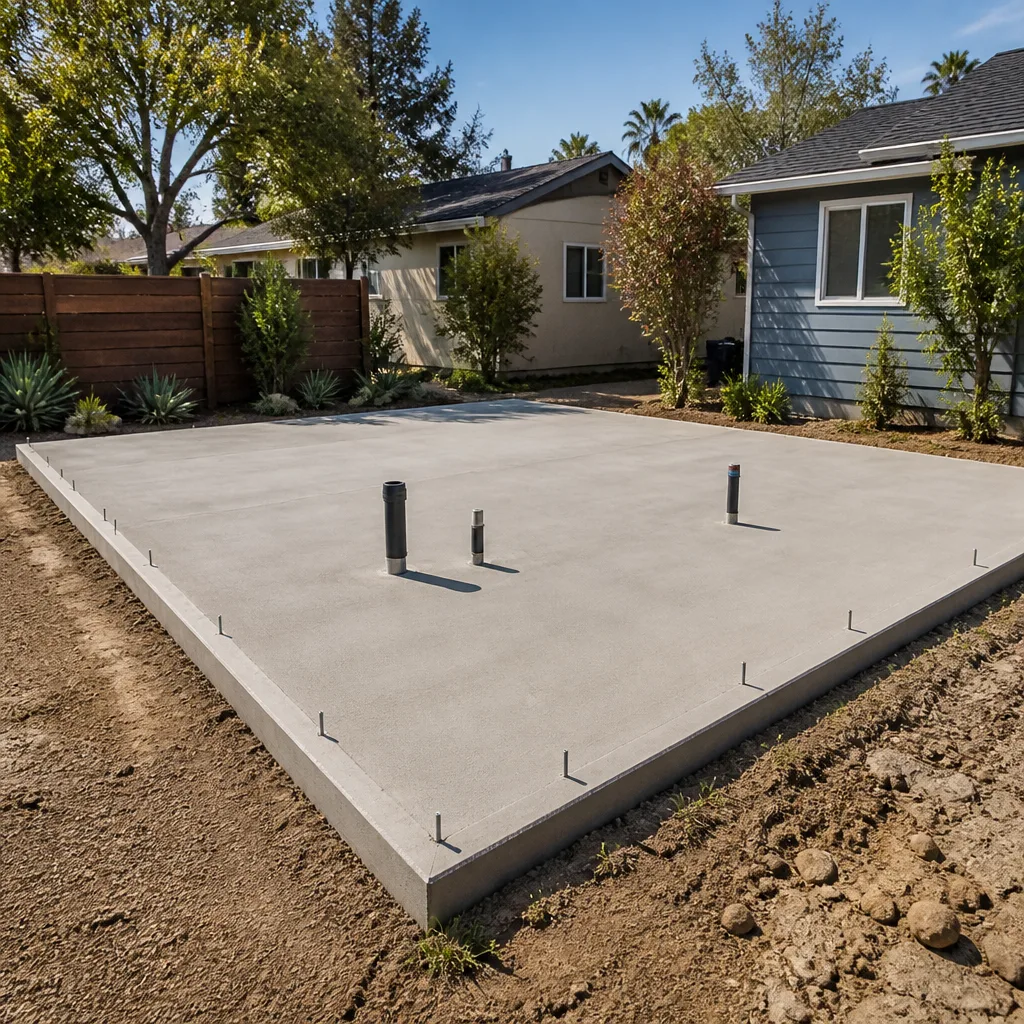
Site prep and utility work applies to any James Hardie installation, but the details change depending on which product line is on the home. HardiePlank lap siding, HardiePanel vertical siding, HardieShingle, and HardieTrim all require a minimum 6-inch clearance from finished grade to the bottom edge of the siding, per James Hardie’s installation instructions. In Long Beach, where many lots slope toward the alley or the street, holding that 6-inch clearance often means regrading a portion of the yard or installing a swale. HardieBacker used in tile applications is a different animal entirely and does not sit on exterior grade the same way.
The flashing and weather barrier details also shift by product. HardiePanel needs a permeable WRB (weather-resistant barrier) with taped seams and proper weep screeds at the base. HardiePlank needs starter strips, a 1/8-inch gap between boards, and flashing at every butt joint and penetration. When we prep a site, we confirm which Hardie product is spec’d and check that the drainage plane, foundation drainage, and utility stub-outs are all aligned before a single board goes up. If you have the original siding order or a section of trim with the product code stamped on the back, we can match the detail sets precisely. Many homeowners don’t realize that mixing Hardie product lines on the same wall plane, like plank over panel, creates a flashing condition that the standard detail sheets don’t cover.
Signs Your James Hardie Site Prep & Utilities Is Failing
- Dark staining along the bottom edge of the siding: This almost always means water is wicking up from soil contact or splash-back from hardscape. In Long Beach, concrete patios and walkways are usually the culprit, since they bounce rainwater against the siding even when the clearance was correct at install.
- A musty smell near the baseboards inside: Moisture has worked its way behind the siding and into the wall cavity. The drainage plane is no longer doing its job, and the smell is the first thing families notice before any visible damage shows up.
- Siding that stays damp for days after rain: Hardie products can handle moisture, but they shouldn’t hold it. If a section of plank feels cool and damp a week after a storm, water is trapped behind it, usually at a flashing point that was missed or a weep screed that got buried when the yard was graded.
- Cracks in the concrete or soil pulling away from the foundation: Poor drainage erodes the soil under walkways and patios, which then shift and pull away from the house. That movement changes the clearances at the base of the siding and lets water find a new path.
- Green or black streaking on the siding surface: North-facing walls in Long Beach’s marine layer rarely dry fully, and when drainage is poor, algae and mildew take hold. It’s a cosmetic issue at first, but it signals that the wall never gets a chance to dry, which shortens the life of the paint and the caulk joints.
Replacement Cost & What’s Included
| Scope | Typical Cost in Long Beach |
|---|---|
| Drainage correction (regrade, swale, downspout relocation) | $1,200 – $3,800 |
| Utility trenching (water, gas, electrical, data) | $1,800 – $5,400, depending on depth, soil, and distance |
| Weep screed and flashing repair at the base of the siding | $650 – $1,600 per wall section |
| Concrete demo and re-pour for patio drainage fix | $900 – $2,800 |
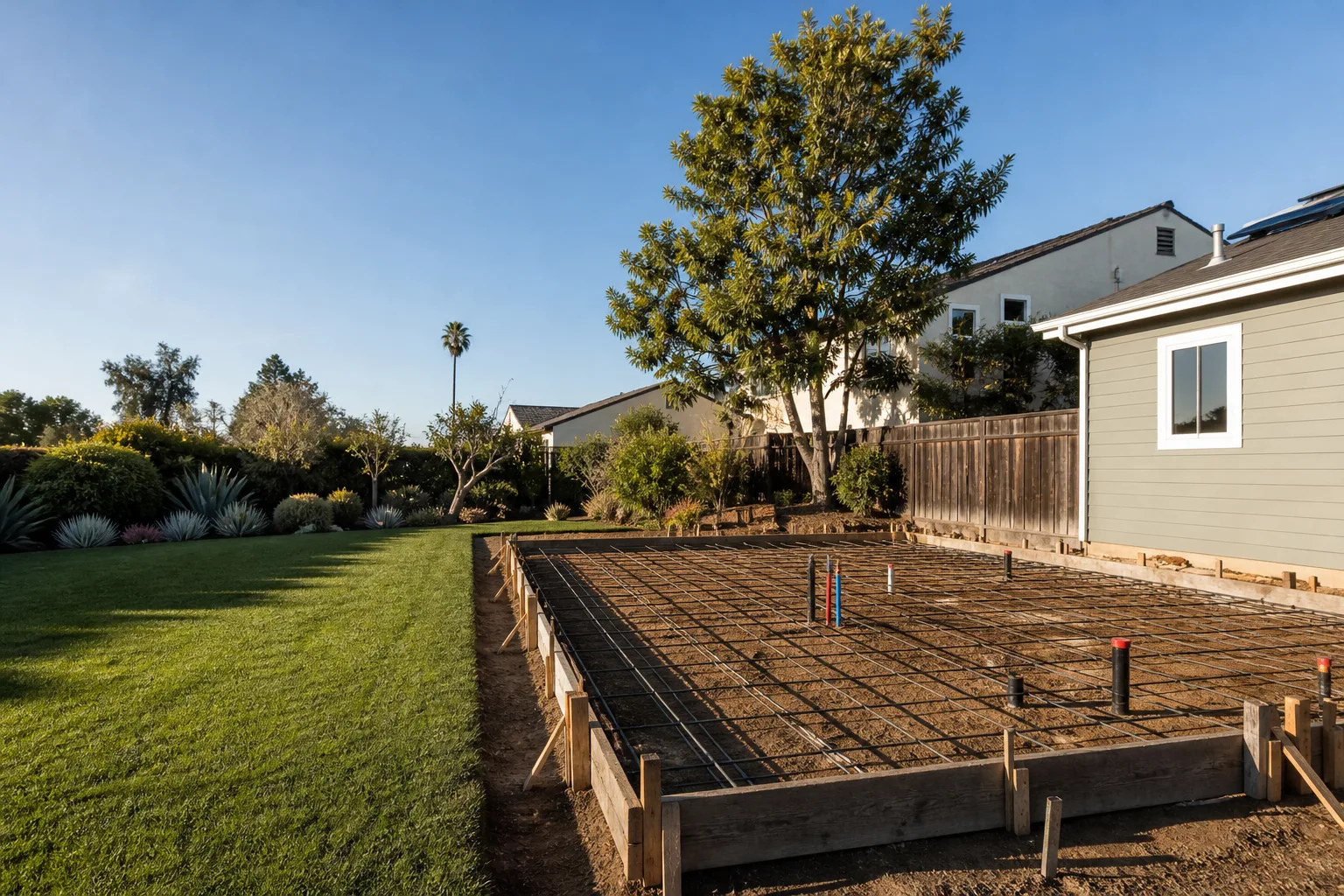
| Full site prep for a new ADU build with Hardie siding | $4,800 – $14,200 |
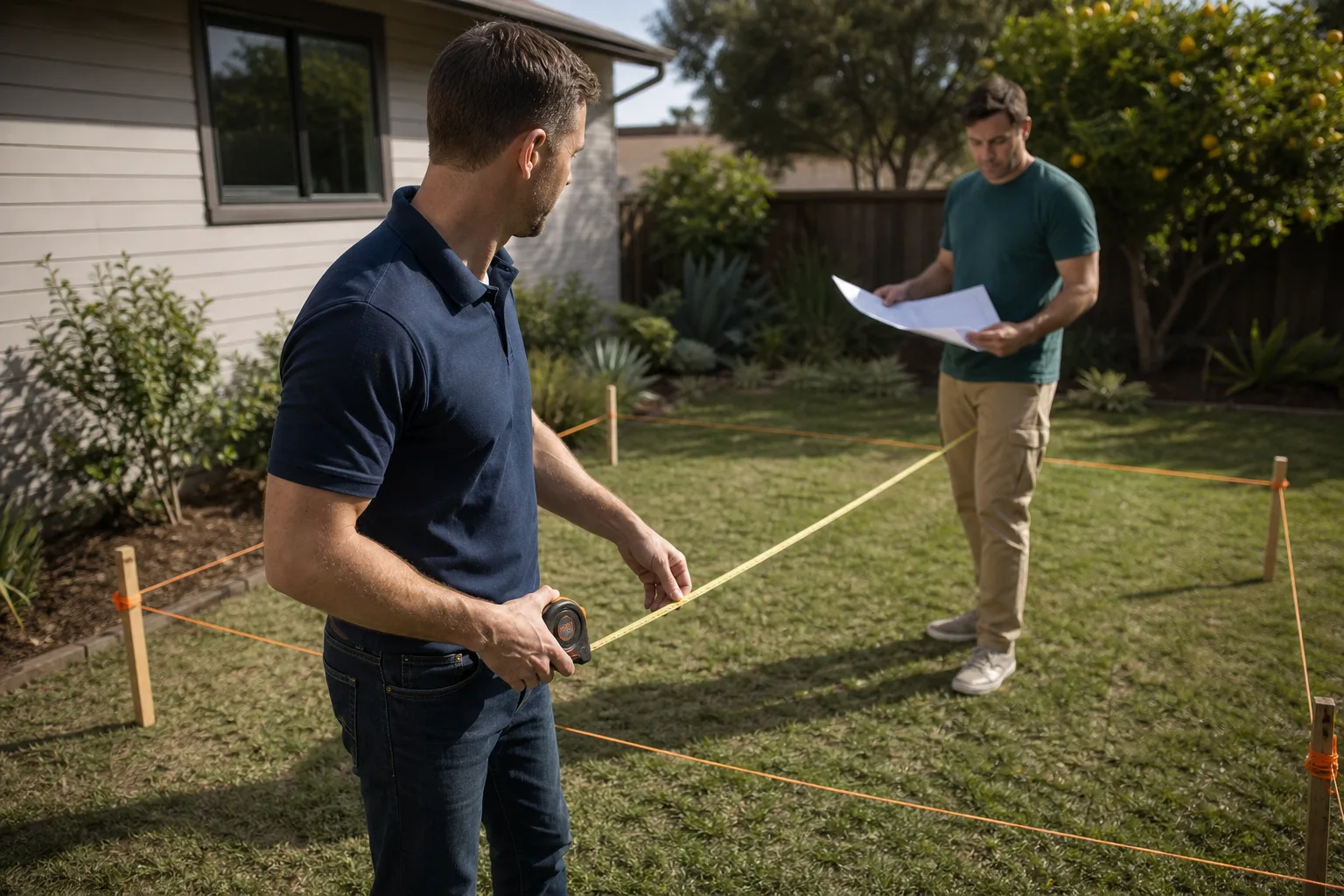
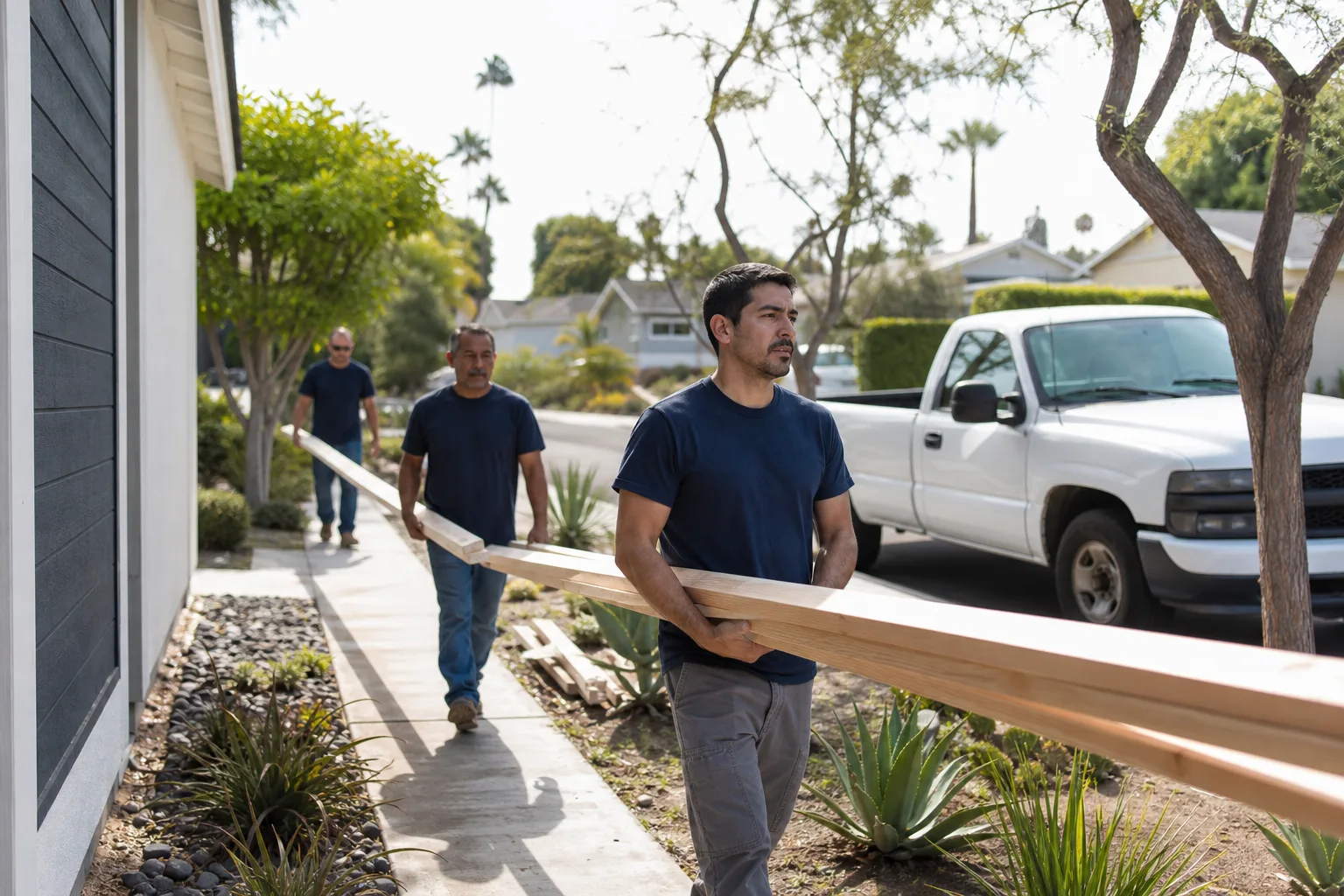
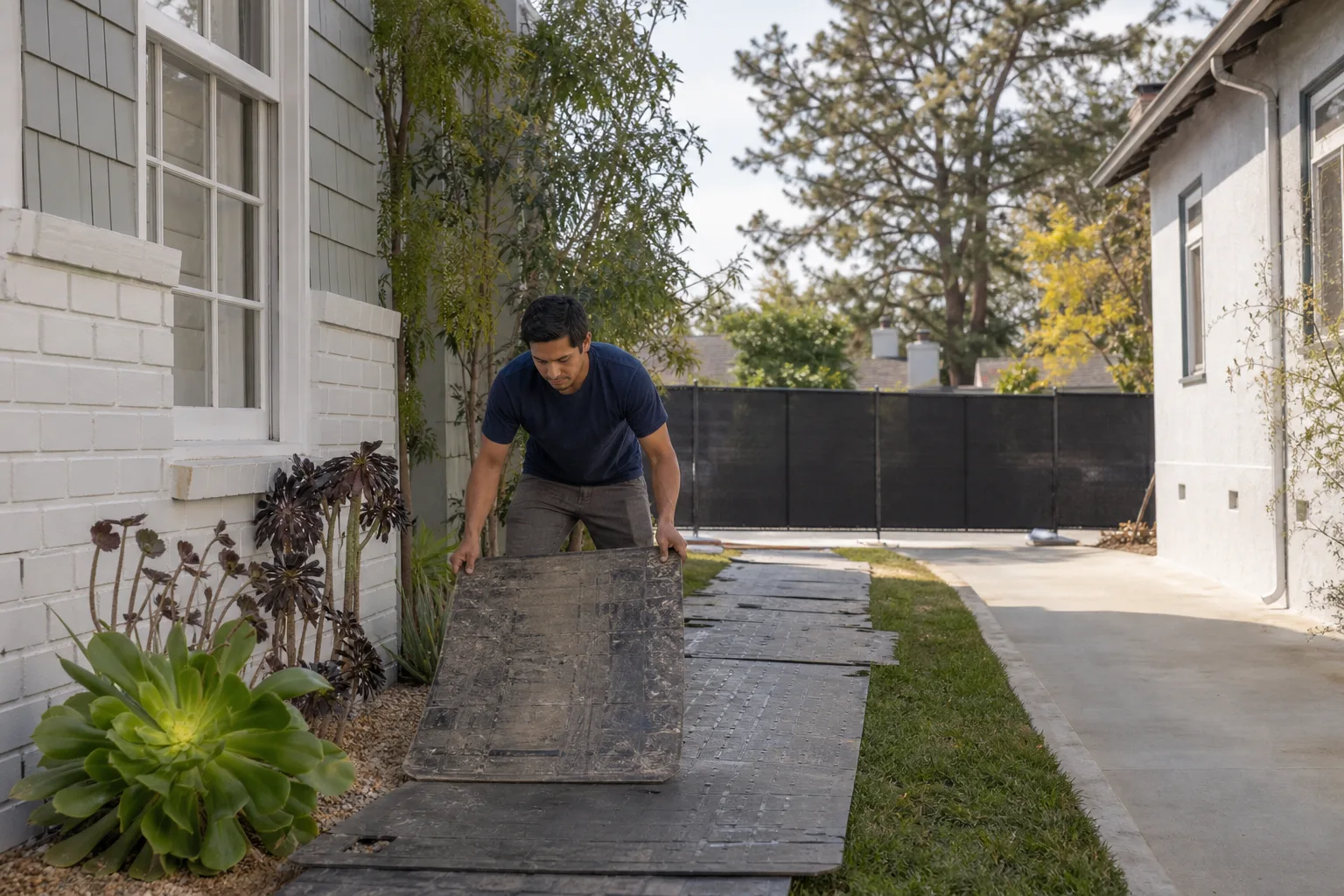
What drives the spread in Long Beach is access and soil. Belmont Shore and Naples lots are tight, often with a shared driveway or a zero-lot-line wall, which means trenching by hand in places where a mini-excavator won’t fit. Bixby Knolls and Los Altos have older clay soils that drain slowly, so we often add a French drain or sump line where a newer tract home wouldn’t need one. Every estimate we give includes the parts, the labor, the permit fees we know about, and a written line-item price before anyone digs. No change orders after the crew arrives. The work is covered by our 365-Day Done Right Promise: if it’s not right, we make it right, in writing.
DIY or Call Us?
Some of this work is a simple weekend fix. If you have a downspout dumping water against the house, extending it with a $12 plastic elbow from the hardware store is enough to move the water out. If the soil has settled and created a low spot along the foundation, adding a few bags of topsoil and tamping them down can close the gap. Checking that the base of the siding has at least 6 inches of clearance from soil or hardscape is a five-minute visual check, and it costs nothing.
What a homeowner should not do is trench for gas or electrical lines, try to re-route a main drain, or start pulling off the bottom rows of Hardie siding to inspect what’s behind them. Utility markings from DigAlert are free, but the work itself is not something to learn from a video. A wrong cut into a gas line or a misconnected electrical stub-out is not a weekend mistake, it’s a safety event. We’ve also seen homeowners regrade a yard and accidentally bury the weep screed, which makes the water problem worse than it was. For anything involving excavation, utility connections, or the flashing behind your siding, call us at (562) 362-4592. Ben Ortega or one of our site leads will walk the lot with you, tell you what actually needs to happen, and give you a written price before anything is scheduled. We’re an independent contractor in Long Beach, not affiliated with James Hardie, but we’ve worked with their products on enough builds to know exactly where the failure points are.
FAQs
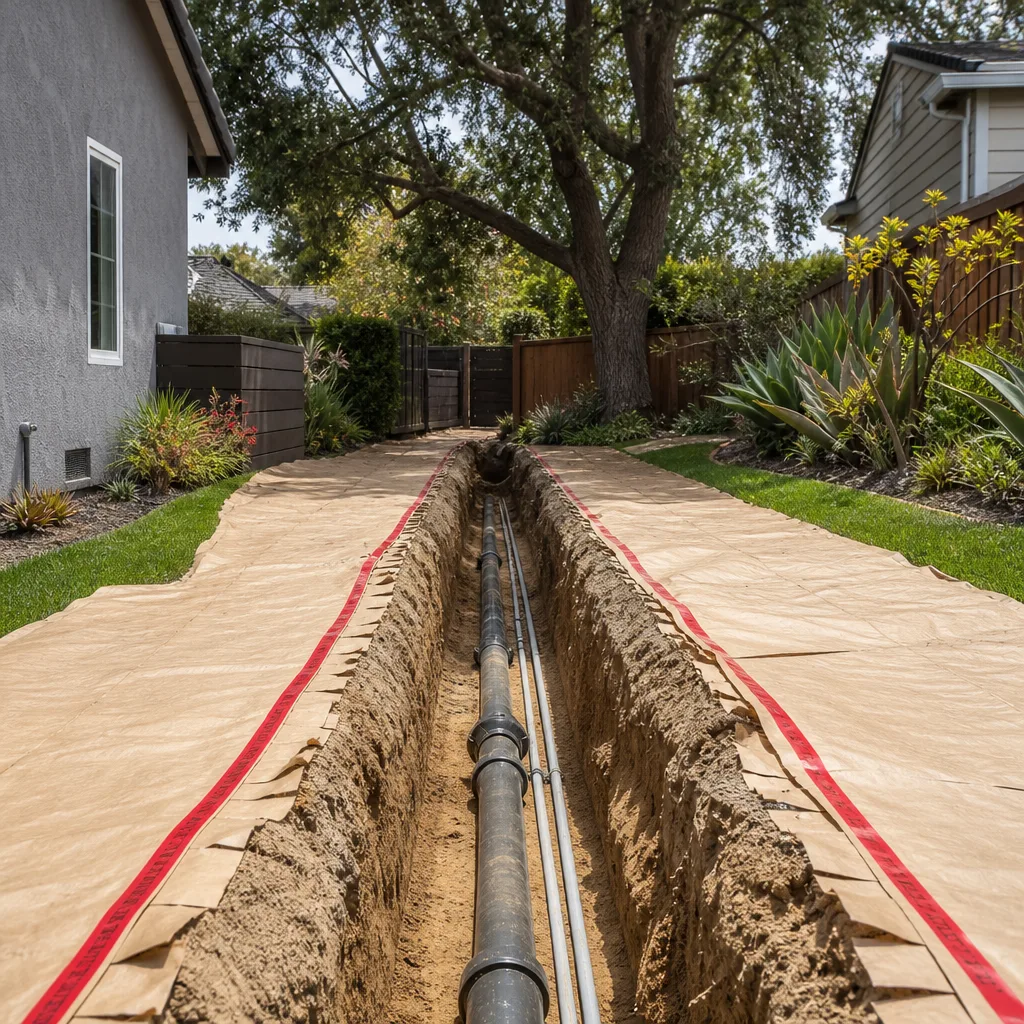
A properly installed drainage plane, weeping system, and utility run should last 30 to 50 years before any major correction is needed. The limiting factor in Long Beach is usually the clay soil and the marine air, which keep moisture in contact with the foundation longer than in drier inland cities. Regular visual checks every late fall will catch most problems before they become siding repairs. Call (562) 362-4592 if you want us to take a look, it’s a free estimate.
Most drainage issues can be repaired with regrading, new flashing, or redirecting downspouts. The exception is when water has already compromised the framing or sheathing behind the siding, which requires opening the wall and replacing the damaged wood, not just the surface layer. We’ll tell you honestly which situation you’re in before any money is spent. Call (562) 362-4592 for a written answer.
A typical drainage correction or utility stub-out in Long Beach takes 2 to 5 working days, not including the wait for DigAlert markings and any plan check from the city. Ben Ortega walks every homeowner through the permit timeline before anyone picks up a tool, so families aren’t caught off guard by a step they didn’t know was coming. If trenching hits unexpected soil or old undocumented utilities, we’ll tell you the same day and rewrite the plan before charging anything extra.
We stock the common trim, flashing, weep screed, and weather barrier materials used with HardiePlank, HardiePanel, and HardieShingle, along with the PVC pipe, conduit, and meter boxes for residential utility connections. Less common components can usually be sourced from our Long Beach suppliers within two days. If you’re mid-project and stuck, call (562) 362-4592 and we’ll check the truck while you’re on the line.
Need Site Prep or Utility Work in Long Beach?
If your James Hardie siding is showing signs that the ground beneath it isn’t draining, or if you’re planning an ADU or addition and want the site work done right before the siding goes up, give us a call. We’ll come out, look at your lot, and write down exactly what needs to happen and what it costs. No obligations, no pressure, no surprises later. You’ll also get the Cedarwell Care Promise on every visit: shoe covers and drop cloths inside the home, pet-safe products where there’s a choice, a photo of the clean-up before the crew leaves, and a live person answering the phone 24/7. Tell us what you need the space to do, and we’ll work backward from there. Call (562) 362-4592 for a free estimate.
Written by Ben Ortega, Owner, Seedling ADU Long Beach at Seedling ADU Long Beach, serving Long Beach and nearby areas.