Permit Application in Long Beach, CA
Applying for an ADU permit in Long Beach means preparing architectural drawings, completing city forms, calculating fees, and submitting everything to the Development Services Department for plan check. The city reviews for compliance with California ADU law, the Long Beach Municipal Code, and the California Building Code. It’s a process that typically takes 3 to 6 months from first submittal to issued permit, depending on plan check volume and how many correction cycles your project needs. Seedling ADU Long Beach handles every page of it, so you never sit at a counter on Broadway wondering which window to approach. Call (562) 362-4592 and we’ll walk you through what your specific project will need.
We approach permit application the way we approach everything else: written pricing before any work starts, clear communication at every step, and a crew that respects your home. If you’re also weighing design options or just starting to explore an ADU, visit our ADU Design & Permitting in Long Beach page for the full picture, or start from the home page to see everything Seedling builds.
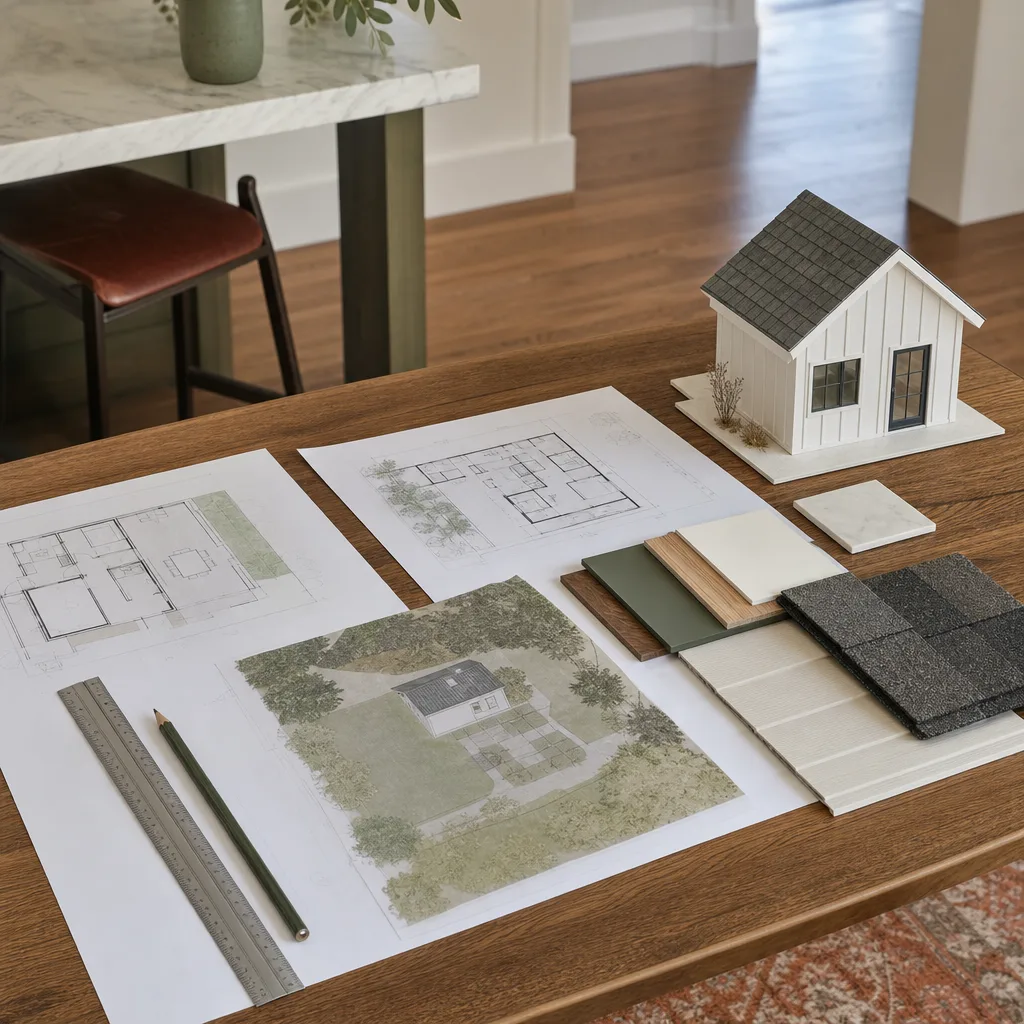
When You Need Permit Application
Most Long Beach homeowners don’t think about permits until a problem shows up. Here’s when it becomes non-negotiable:
- You’re adding an ADU or converting a garage. Every detached ADU, attached ADU, junior ADU, and garage conversion in Long Beach requires a building permit. No exceptions. The city has made the process easier for standard ADU plans, but it still requires a formal submittal.
- Your lot is in a coastal zone or historic district. Homeowners in Belmont Shore, Naples, Bluff Park, and parts of the Peninsula often face additional review through the Coastal Commission or the Cultural Heritage Commission. A coach house near the beach can trigger tidal-influence requirements that a typical ADU won’t.
- You’re using a prefab or modular ADU. Brands like Plant Prefab, Abodu, and Tuff Shed make the design phase simpler, but Long Beach still reviews foundation plans, utility connections, and site-specific details before issuing a permit.
- You got a notice or a stop-work order. If unpermitted work was done on your property before you bought it, or if a neighbor filed a complaint, Long Beach Code Enforcement will require you to permit it retroactively. This is common with garage conversions in the Wrigley and North Long Beach areas, where homes changed hands without the paperwork following.
- You’re planning to sell in the next few years. Unpermitted square footage scares buyers and lenders. Permitting the ADU now means the sale doesn’t stall in escrow later.
- Your existing ADU needs a utilities upgrade. Converting a garage to a dwelling often means upgrading the electrical panel from 100 amps to 200 amps, which requires a separate electrical permit pulled alongside the main building permit.
Some projects also need a plumbing permit, a mechanical permit for the mini-split, and a sewer lateral inspection, depending on where you are. In the El Dorado Park area, for example, many properties still have original cast iron sewer lines from the 1950s that the city wants inspected before any new dwelling is connected. We map every requirement before you commit to anything.
Our Permit Application Process
Seedling ADU Long Beach approaches permit application as a sequence of predictable steps. No surprises, no “we’ll figure it out later.” Here’s exactly what happens:
- Site assessment and property research. We start by checking your parcel’s zoning, lot coverage, setbacks, and any special overlays. Long Beach has specific ADU regulations under the city’s ADU Ordinance that differ from neighboring cities like Lakewood or Signal Hill, so we verify everything against the Long Beach Municipal Code, not just state law. We also pull your property’s permit history to see what’s already on file.
- Feasibility conversation and written price. Before anything is drafted, you get a written price for the permit application work itself. Same as every Seedling project, there are no surprise line items added after crews arrive. You’ll know what you’re paying for plan preparation, submittal, and city fees before we start.
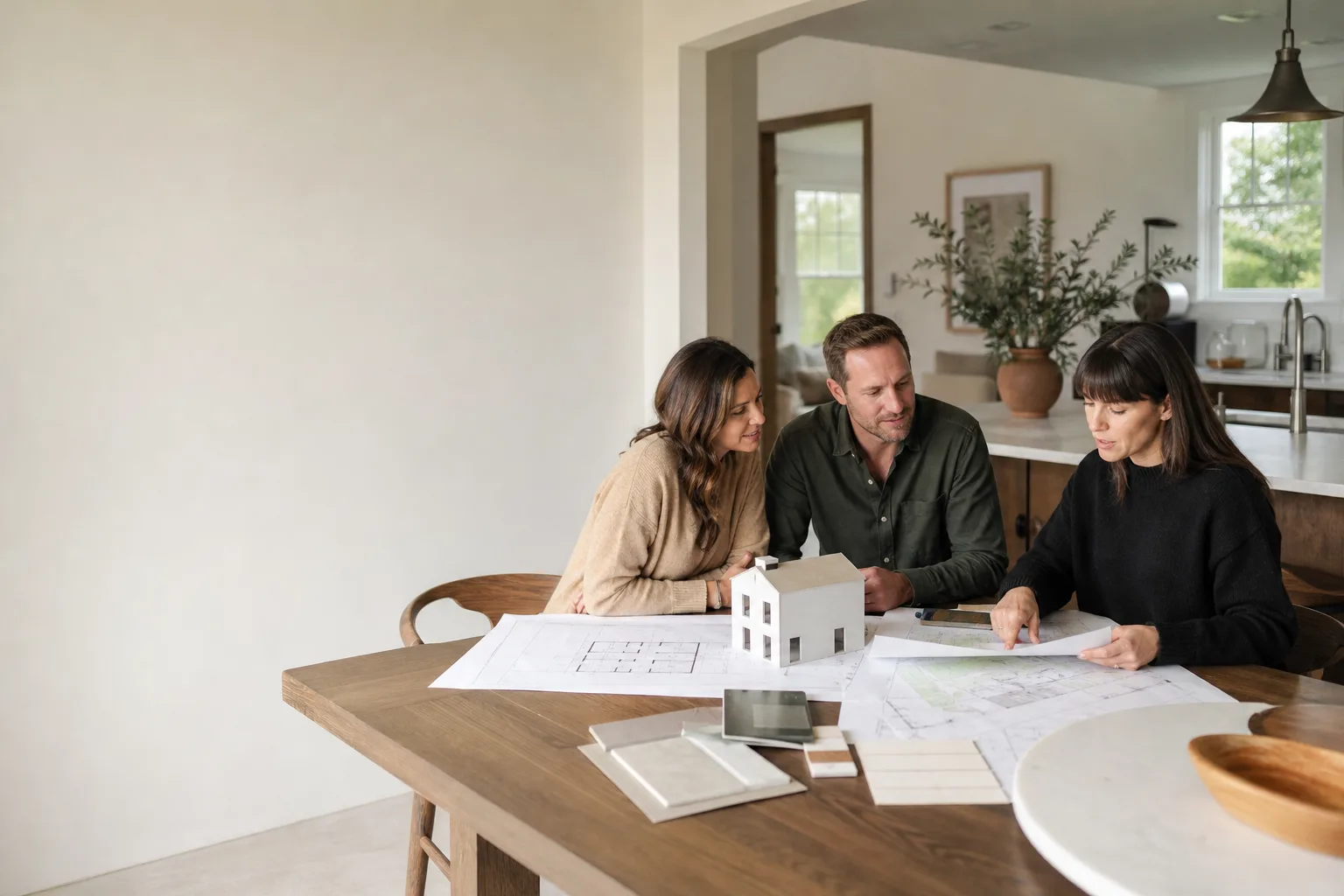
- Plan preparation and documentation package. Our drafting partners prepare site plans, floor plans, elevations, structural calculations, Title 24 energy compliance reports, and drainage plans. If you’re working with a prefab brand like James Hardie siding on a Tuff Shed structure or a full Plant Prefab module, we integrate the manufacturer’s engineering into the submittal so the city sees one coherent package.
- City submittal and plan check management. We submit electronically through the Long Beach Development Services Department’s online portal, pay the initial fees, and track your project through every plan check cycle. When corrections come back (and they almost always do), we respond to each comment directly and resubmit. You don’t translate city markups; we do.
- Corrections, approvals, and permit issuance. When plan check approves the drawings, we pay the remaining fees, pull the permit, and deliver the approved plan set. If you’re building with Seedling, the permit flows straight to our construction team. If you’re using another contractor, you get a clean, ready-to-build permit package.
- Inspections coordination. We schedule and manage all required inspections so the work passes the first time wherever possible. The Cedarwell Care Promise applies during construction too: shoe covers and drop cloths inside the home, pet-safe products where there is a choice, and a photo of the cleanup before the crew leaves every day.
Throughout the process, a live person answers our phones 24/7. Not a voicemail tree. If you call at 9 p.m. to ask what “plan check comment #14” means, you’ll reach a human being who can actually explain it.
Permit Application Pricing in Long Beach
Permit application costs in Long Beach break into two parts: the city’s fees and the professional cost of preparing the submittal. Here’s what families can expect to see, in writing, before any work starts.
ADU Permit Application Costs: Long Beach Ranges
- City plan check and permit fees: $6,500 – $14,000 for a typical 400 – 1,200 sq ft ADU. Long Beach calculates fees based on valuation, and an ADU with a kitchen and bathroom lands in this range for most standard lots.
- School district fees: $1,500 – $4,500. Long Beach Unified assesses fees on new dwelling units, and they’re collected at permit issuance, not at plan submittal.
- Utility connection and sewer fees: $2,000 – $6,000 depending on your lateral condition and whether gas or electrical service needs to be extended from the main house.
- Professional drafting and permit application management: $4,500 – $9,500 for our full permit application service, including plan preparation, submittal, plan check response, and permit pickup.
- Structural engineering (if required): $1,200 – $3,800. Detached ADUs on pier-and-grade foundations in Long Beach’s expansive soils often need a geotechnical report too, which runs $2,000 – $5,000.
- Total realistic budget: $14,000 – $33,000 from first submittal to issued permit, before construction begins.
What moves the number? Your lot’s zone, whether you’re in a coastal overlay, the size of the ADU, whether you’re converting existing space or building new, and how many plan check correction cycles the project goes through. We give you a written price for the application work before we start, so the city’s numbers are the only variable. And we’ll tell you exactly what the city’s numbers are for your specific project before you commit. Call (562) 362-4592 for a free estimate that covers the full permit application scope.
Is a Permit Application the Same as Plan Check?
No. The permit application is the package of drawings, forms, and fee payments you submit to Long Beach. Plan check is the city’s review process where engineers and planners examine those drawings for code compliance. You can’t enter plan check without a complete permit application, and you can’t pull a permit without passing plan check. We handle both, and we explain the difference as the project moves so you always know which stage you’re in.
Can You Fix It the Same Day?
If by “fix” you mean correct a permit application that was rejected or returned with comments, we can often respond the same day if the corrections are minor. But plan check cycles in Long Beach don’t run same-day, and nobody can change that. What we can do is make sure every submittal is complete and correctly formatted the first time, which is the single biggest factor in how fast a permit moves through the system. We’ve seen projects stall for months because a site plan was missing a north arrow or a Title 24 report was filed under the wrong form. That doesn’t happen on our watch.
FAQs – Permit Application
How long does ADU permit approval take in Long Beach?
ADU permit approval in Long Beach typically takes 3 to 6 months from submission to issuance, assuming a complete application and no unusual complications. Coastal overlay properties in Belmont Shore or Naples can add 2 to 4 months for Coastal Commission review, and historic district properties often add a similar window for Cultural Heritage Commission sign-off. The best way to compress the timeline is to submit a complete, correctly formatted package the first time, which is exactly what we do. Call (562) 362-4592 and we’ll assess your property’s expected timeline for free.
Can a homeowner apply for an ADU permit without a contractor?
Yes, Long Beach allows homeowner permit applications for owner-occupied properties. The challenge is that the city requires full construction drawings, energy calculations, and structural details, and most homeowners don’t draft those documents themselves. If you already have plans from an architect or a prefab brand like Abodu, we can manage the application, submittal, and plan check process for you without taking over the construction contract. That’s a real service we offer: permit application only, no strings attached to the build.
What happens if my ADU permit application gets rejected?
A rejection (or more commonly, a correction notice) means the city found issues with your drawings or forms. You get a list of comments, you fix each one, and you resubmit. Most Long Beach ADU projects get at least one round of corrections, and many get two or three before approval. The cost of corrections is usually included in the plan check fee you already paid, not billed separately, but you do need someone to make the corrections and resubmit. We handle every comment, every time, and we tell you what the comment means in plain English.
Is it cheaper to permit an ADU or to build without permits?
Building without permits is not cheaper in the long run. In Long Beach, unpermitted ADUs and garage conversions must be brought to code before sale, refinance, or any insurance claim, and the cost of retroactive permitting often exceeds the original permit cost by 50% or more because code enforcement adds fines and penalties. Even if you never get caught, unpermitted square footage doesn’t count toward your home’s appraised value and will scare off lenders when you sell. Permit it now, do it right, and the 365-Day Done Right Promise backs every Seedling build. Call (562) 362-4592 for a free assessment of what your property needs.
Permit Application in Long Beach Neighborhoods
Long Beach isn’t one city when it comes to permitting. Different neighborhoods have different site conditions, and that changes what your permit application needs to include.
Belmont Shore and Naples
Coastal overlay rules mean additional documentation: site-specific elevation certificates, tidal influence reports, and in some cases a Local Coastal Development Permit that runs parallel to the building permit. We regularly work with the Coastal Commission on ADU applications in these neighborhoods, and we know what the reviewers look for.
North Long Beach and Wrigley
These neighborhoods have many homes built between 1920 and 1960, and a lot of garages that were converted without permits decades ago. Your application may need to address retroactive compliance for existing work before new ADU construction can be permitted. We handle that reconciliation, and we keep the process calm, clear, and documented.
El Dorado Park and Los Altos
These areas tend to have larger lots and newer construction, but also stricter HOA and aesthetic review requirements on top of city permits. We coordinate both tracks so your ADU doesn’t stall at an architectural committee after the city has already approved it.
Bixby Knolls and California Heights
Historic district overlays in parts of Bixby Knolls and California Heights mean your ADU design may need to match the character of the existing home, and your permit application will include elevation drawings that demonstrate compatibility. The Cultural Heritage Commission reviews these, and we prepare for their questions before they ask them.
Why Homeowners Choose Seedling for Permit Application
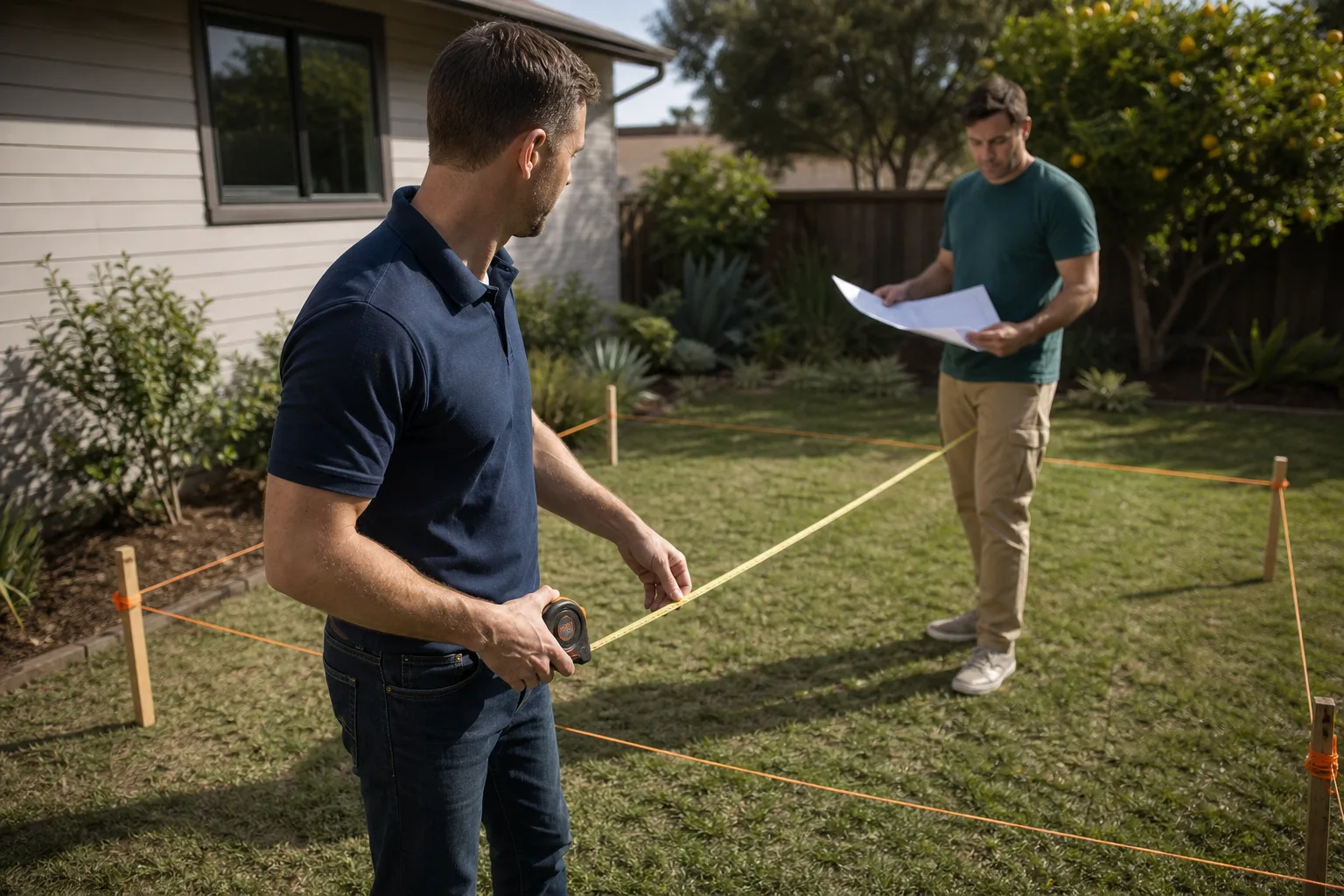
Because the permit is the least visible part of an ADU, and the most likely to fail if it’s wrong. We treat it with the same care we bring to the slab pour. Every Seedling permit application gets a written price before we touch a single form. Our background-checked, uniformed technicians handle any on-site measurements with shoe covers and drop cloths, and you get a photo of the cleanup before they leave. If you have kids napping or a dog that doesn’t like strangers, we’ll schedule around it.
If it’s not done right, the 365-Day Done Right Promise covers it. That’s in writing, on every job, including the paperwork before the job. A live person answers our phone 24/7, during the application and long after the permit is issued. And because we work with Plant Prefab, Abodu, Tuff Shed, and James Hardie, we can match your permit application to the exact building system you’ll use, not a generic plan that needs revisions later.
Ben Ortega leads our Long Beach team, and every family that Permits through Seedling gets his direct line throughout the process.
Written by Ben Ortega, Owner at Seedling ADU Long Beach, serving Long Beach.